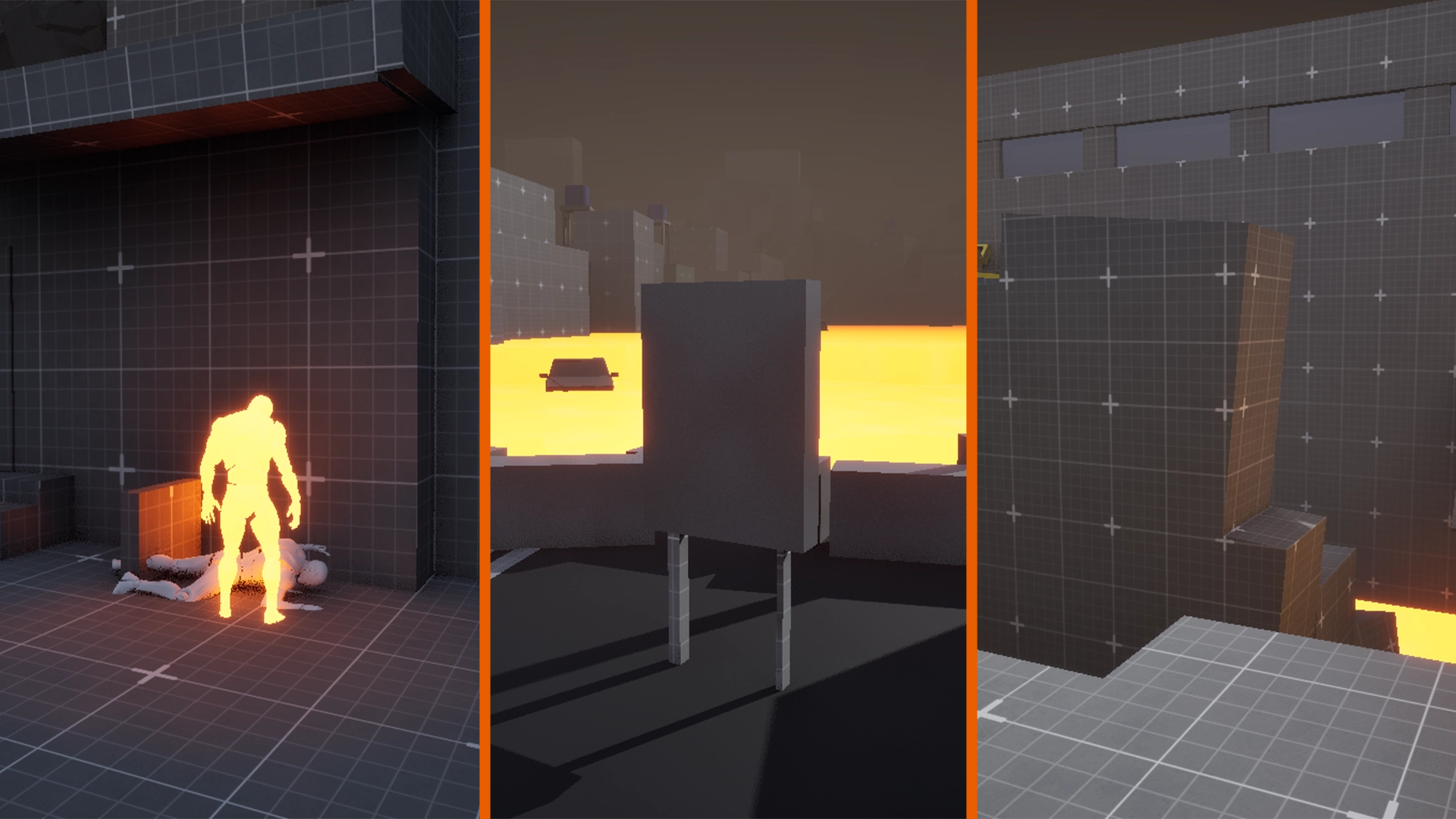
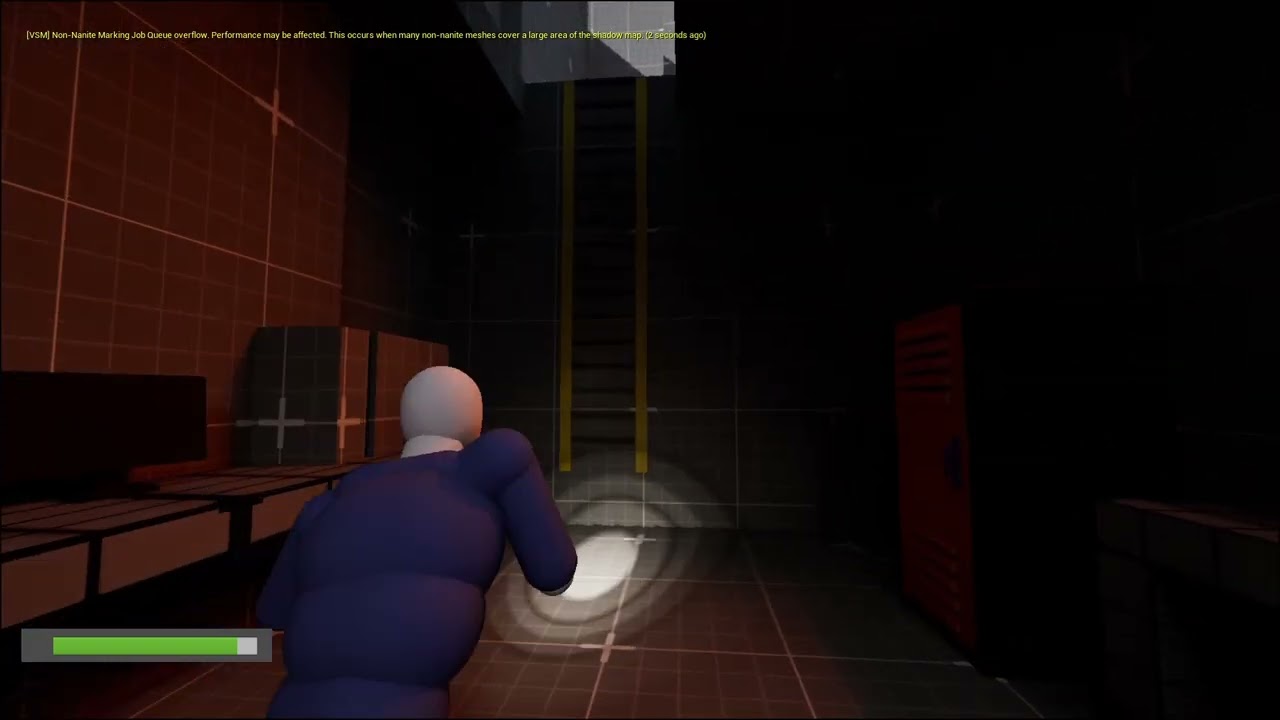
Ashes From The Past
- Genre: 3D Action Adventure | PvE
- Type: Blockout
- Engine: Unreal Engine 5.5
- Tools: AGLS, Blueprint Visual Scripting
- Iterations # 8+
- Playtests # 7
- Role: Level Designer
Iterations Overview
From older to recent
Goal
My goal was to design a tense, immersive level that builds fear of what lies around the next corner, drawing atmospheric inspiration from The Last of Us while blending mechanics reminiscent of Day’s Gone and Uncharted 4.
This project was a major step in my growth as a Level Designer, and my knowledge from my B.S.c. Game Development degree helped me shape this project into a practical, end‑to‑end workflow.
In this project, I aimed to:
- Upgrade my pre-production process skills through research, creation of 2D maps, Level Design Documents, and beat sheets.
- Design a level that conveys storytelling with clarity and ease.
- Create a balanced combination of enemy encounters, exploration, and tension.
- Implement the core principle of ‘show players where to go, but not how’.
Level Overview & Technique Highlights
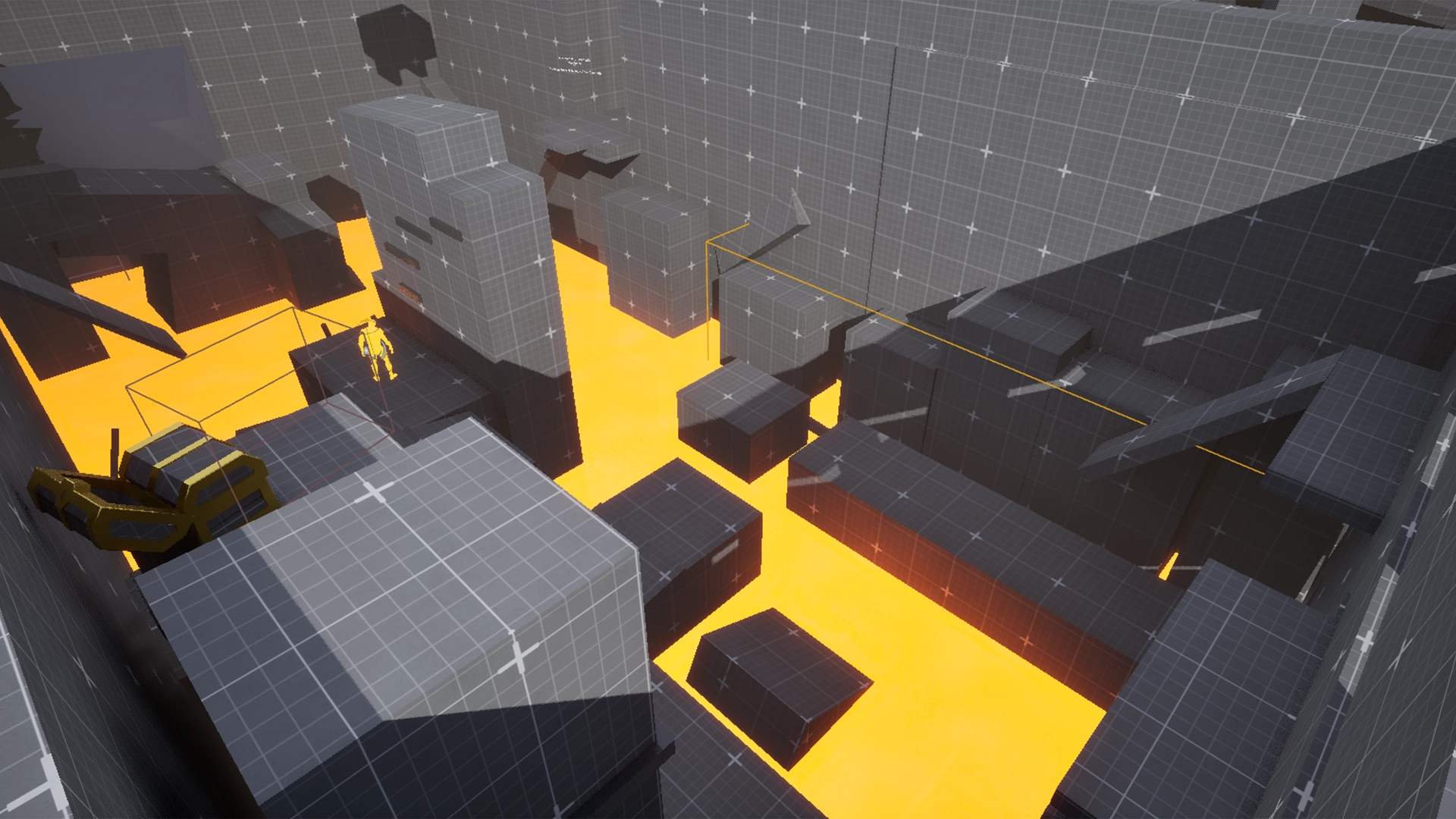
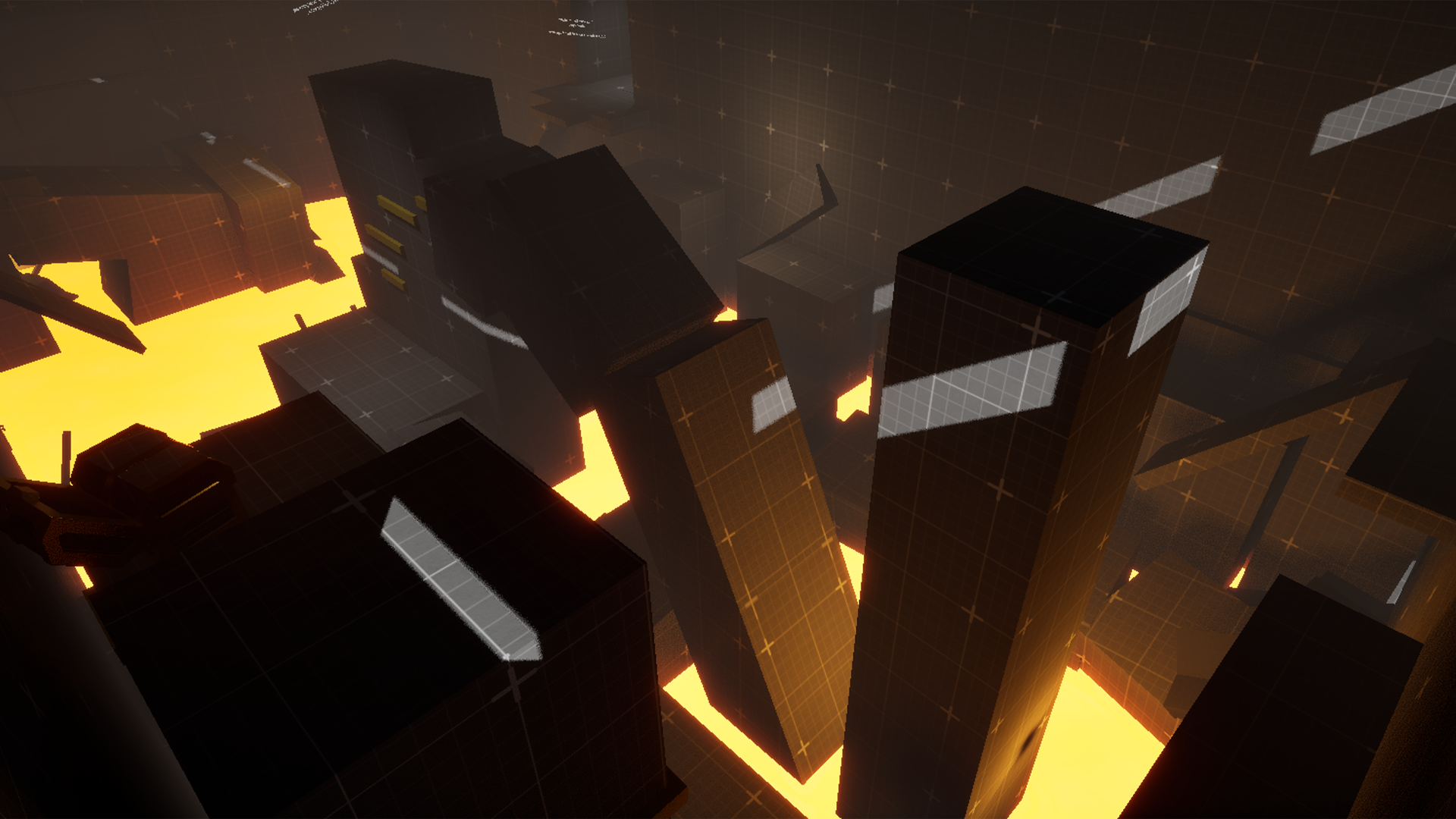
The level unfolds in an evacuated, ash-choked town during an active volcanic event, evoking tension and fear. The primary goal is to reach the radio tower, one last signal of possible survival.
At every turn, the city hints at a recent past using enviromental storytelling, once vivid and alive, now smothered in ash.
Optional routes reward exploration with small storytelling bits that reinforce the narrative of a sudden evacuation.
In the main sections, players decide between a dangerous, adventurous push or a stealthy path that weaves through the everyday debris of the deserted town.
Technique Highlight 1: Goal Reinforcement and Landmarks
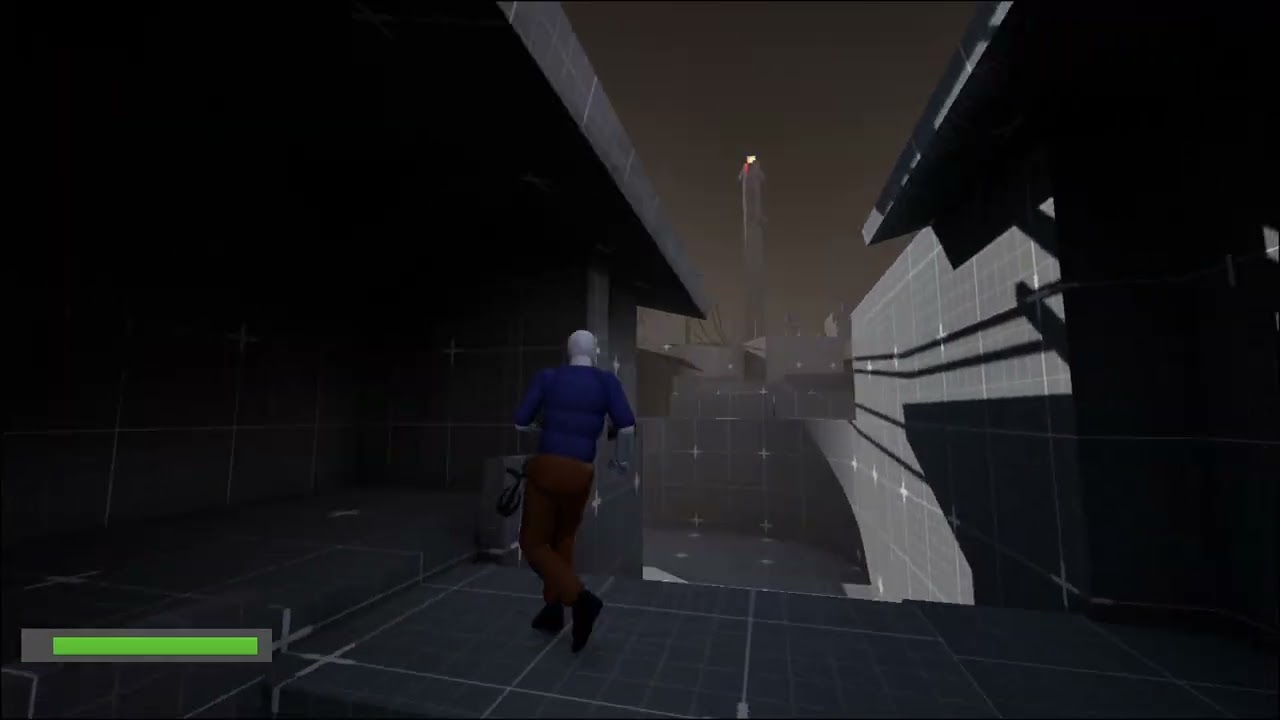
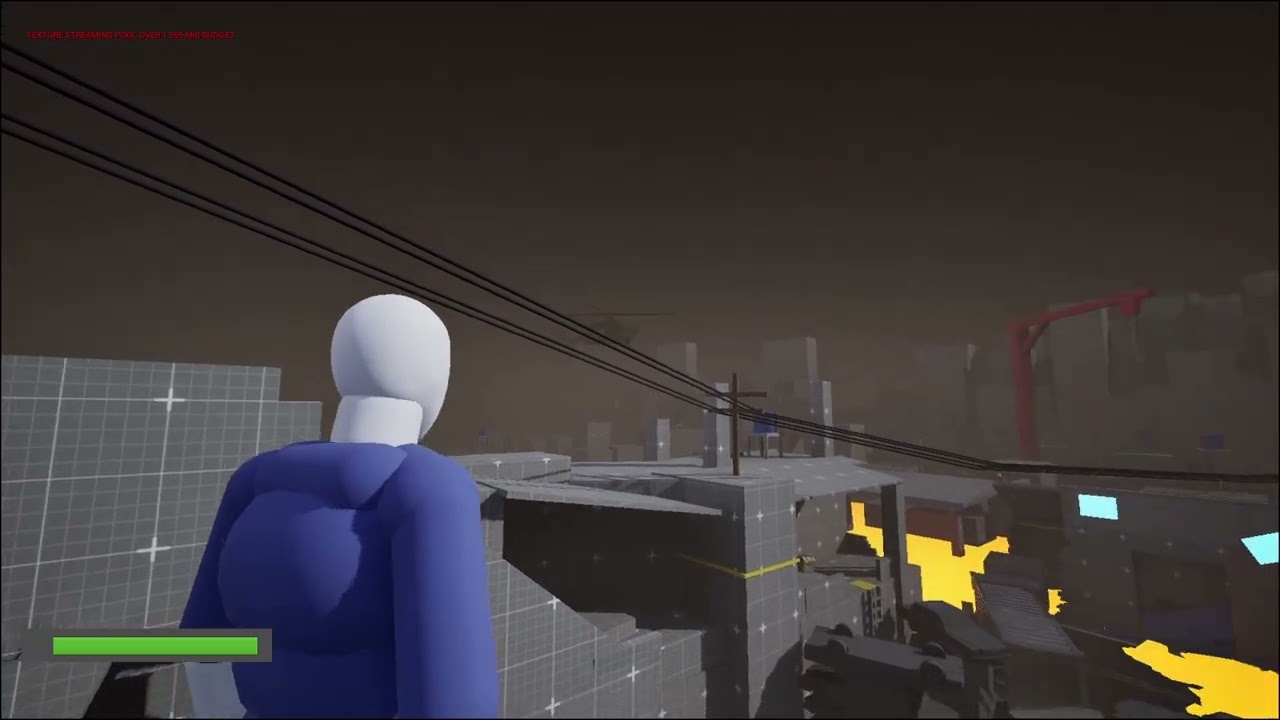
My method: I designed the radio tower as a landmark, guiding the player to safety, keeping it viewable in almost all points of the level.
How I executed it: I placed 2 landmarks that are easily visible from 2 main areas of the level, where the player can see them almost from any place of the level.
Level Examples:
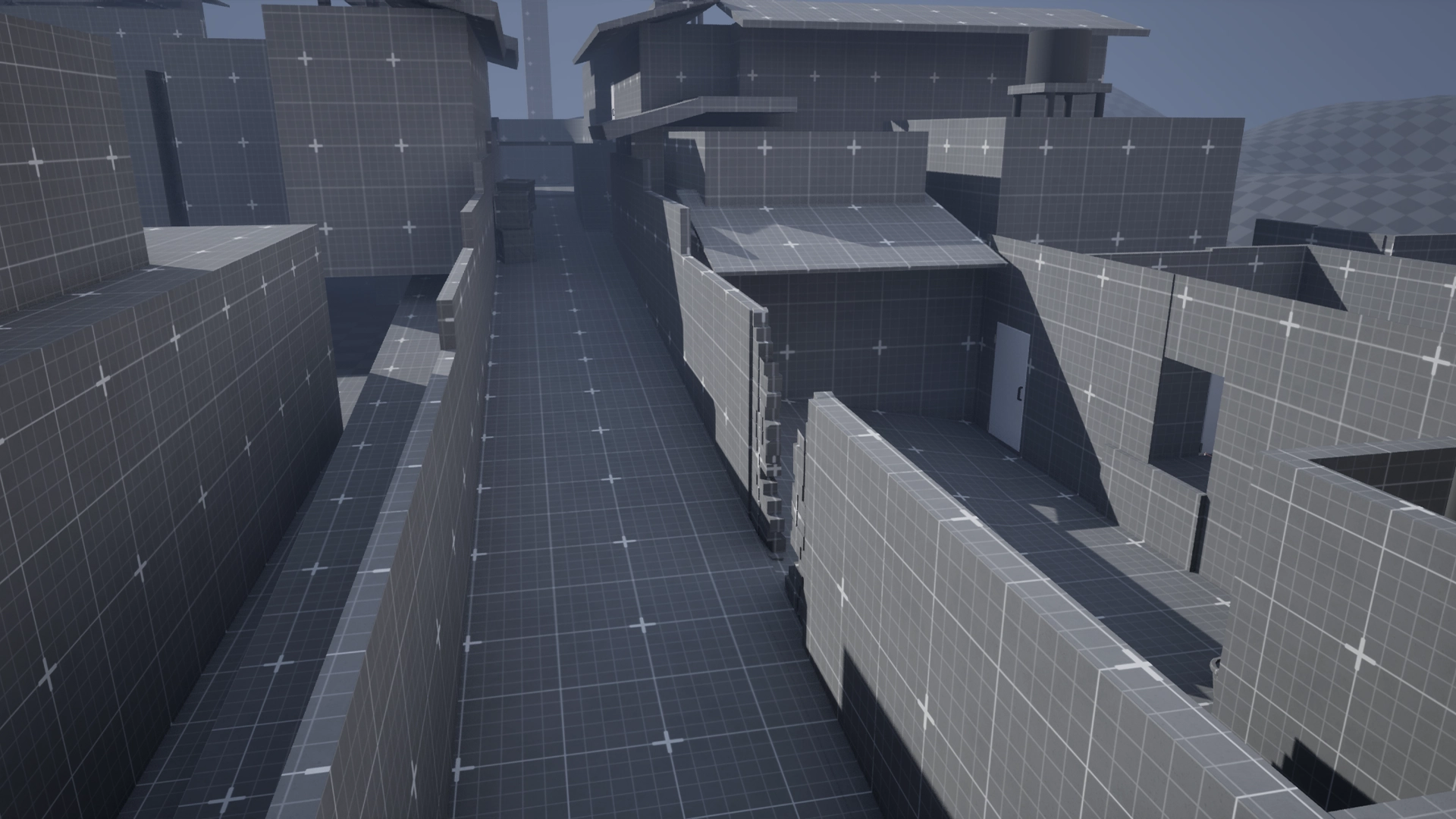
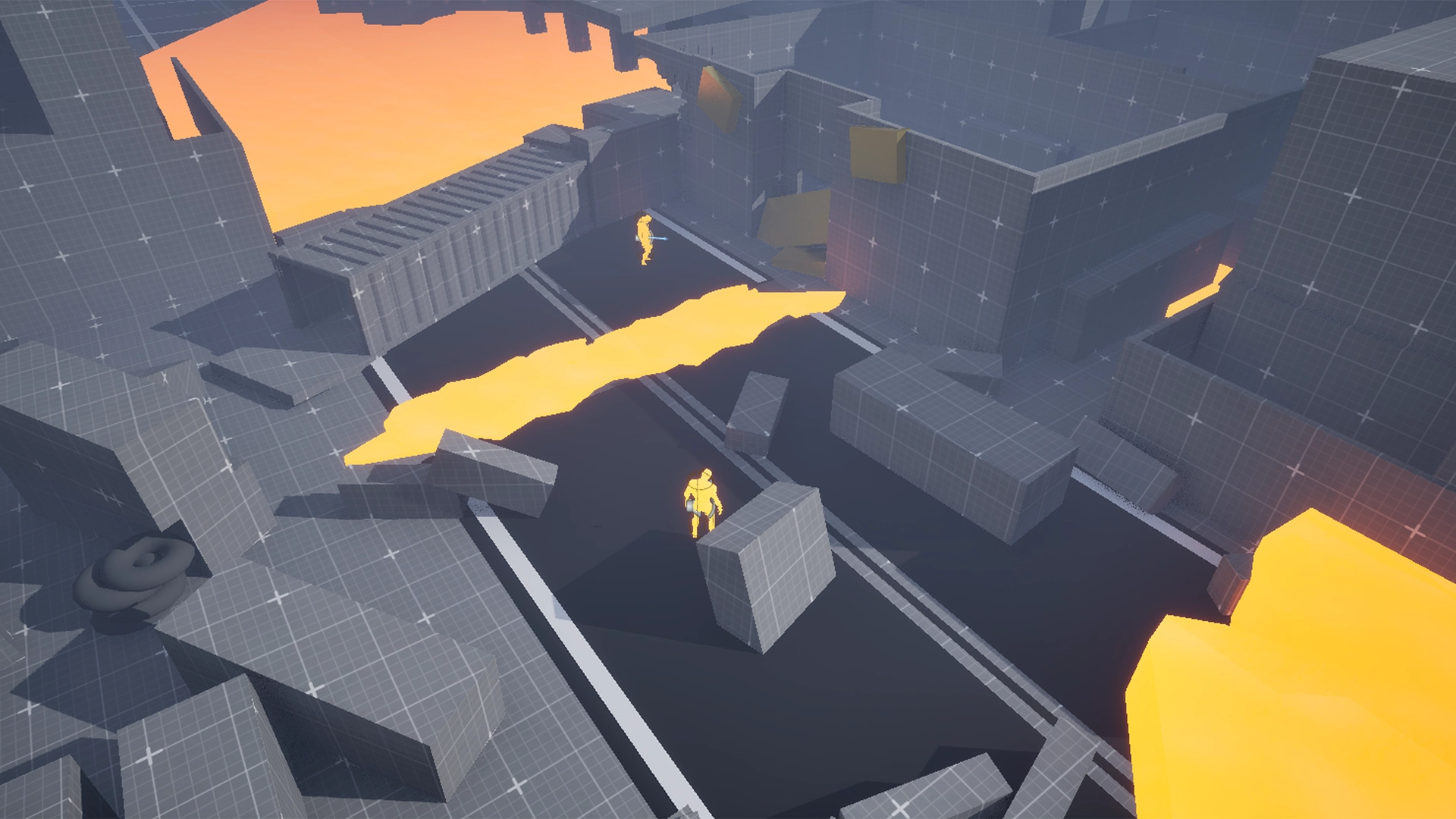
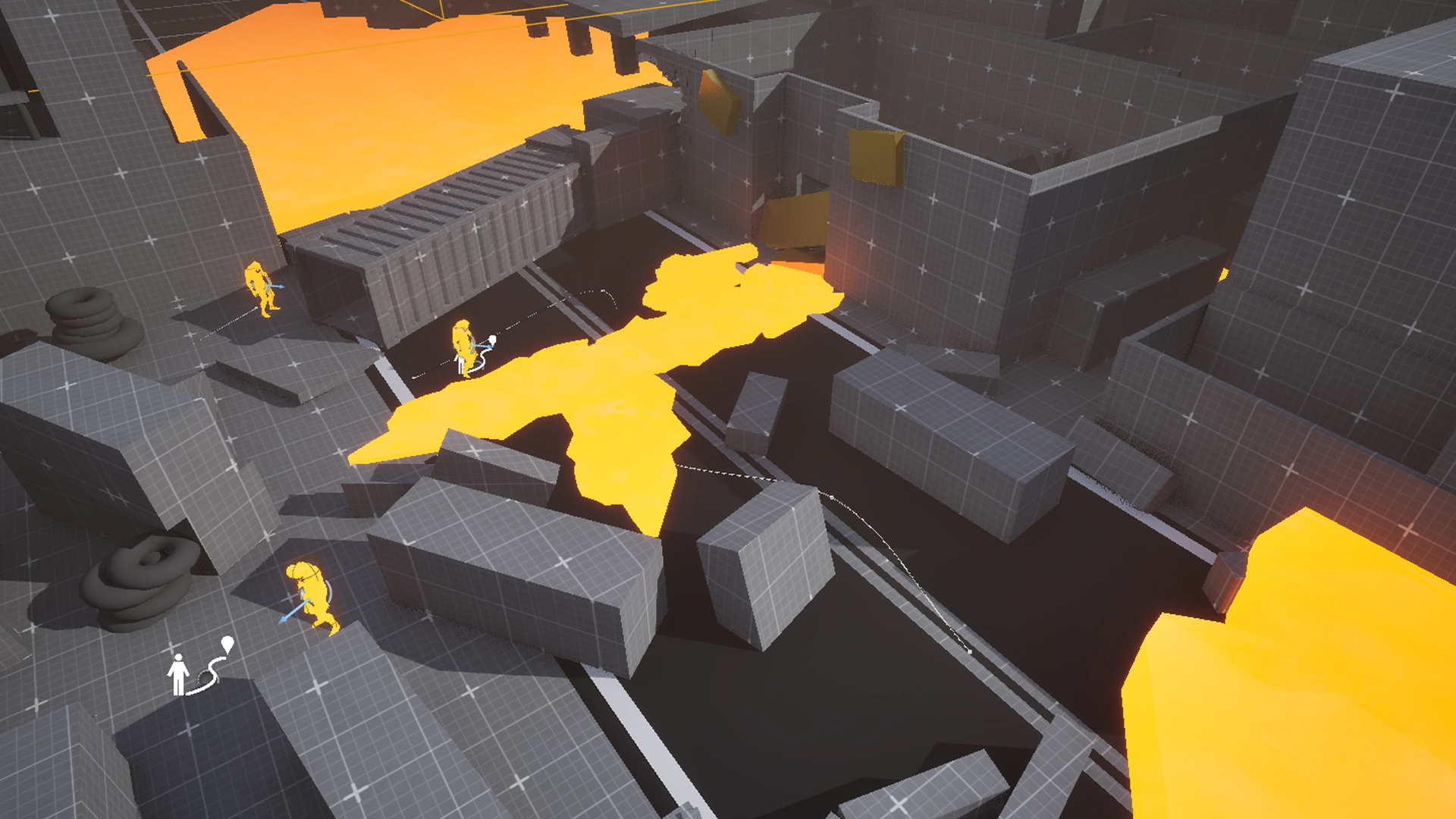
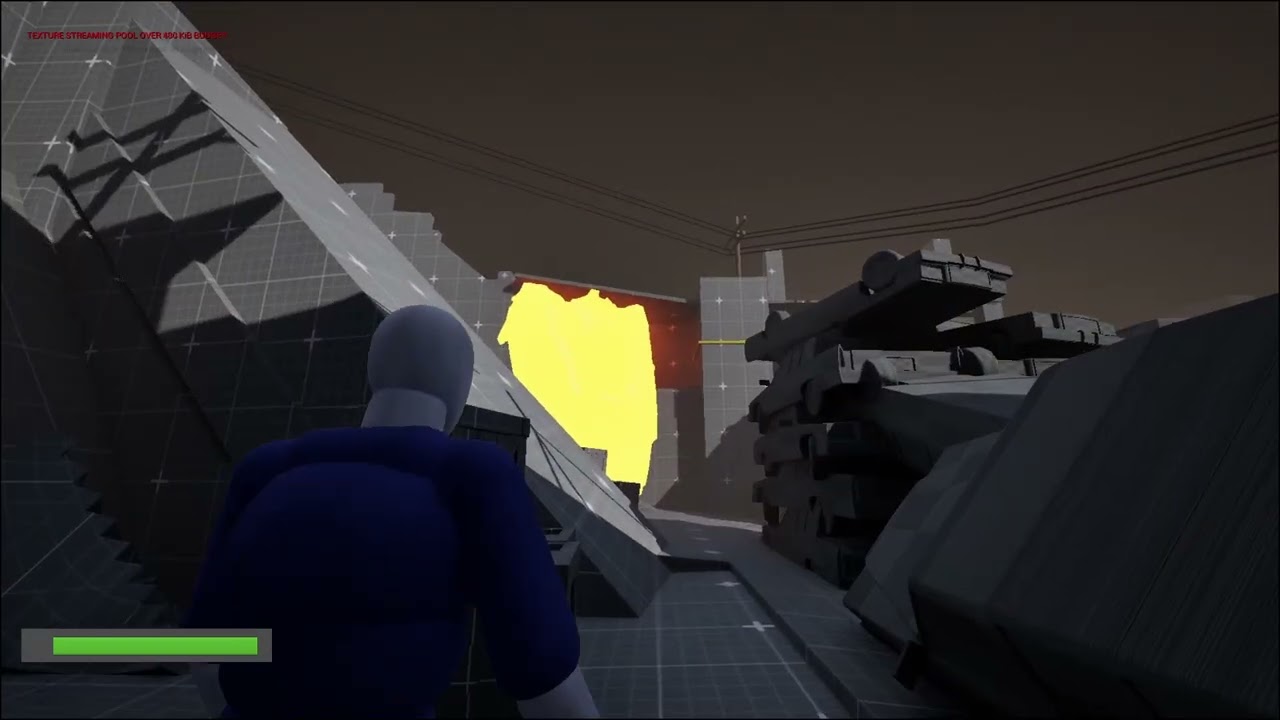
After leaving the house, players face a strong sightline through the alley. I placed the radio tower on higher ground to draw their attention.
A mid-level vista guides players on where to go.
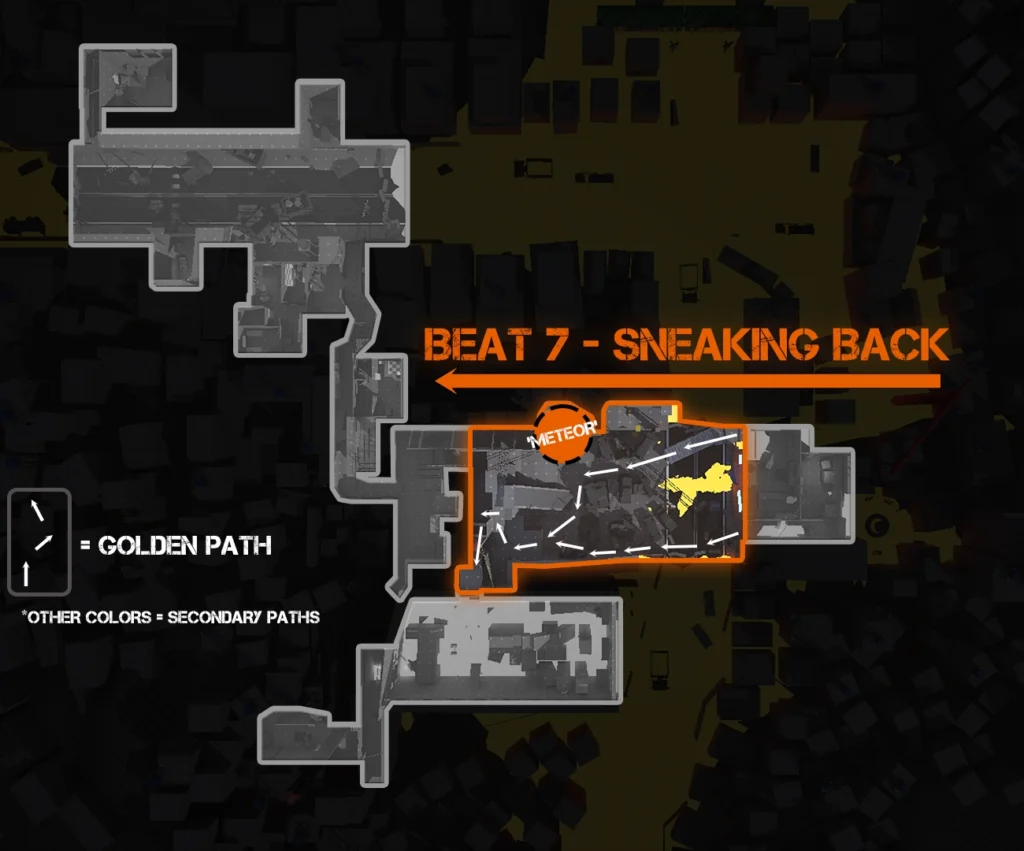
During backtracking, the level reinforces the goal: reach the radio tower.
Technique Highlight 2: Environmental Storytelling / Guiding
My method: I used environmental cues to nudge the players to safety, while revealing the city’s history.
How I executed it: I lined props throughout the critical path, adding directional hints for where to go and/or what action to take.
Level Examples:
A shaft of light through a broken window frames a fresh escape route in a recently abandoned home.
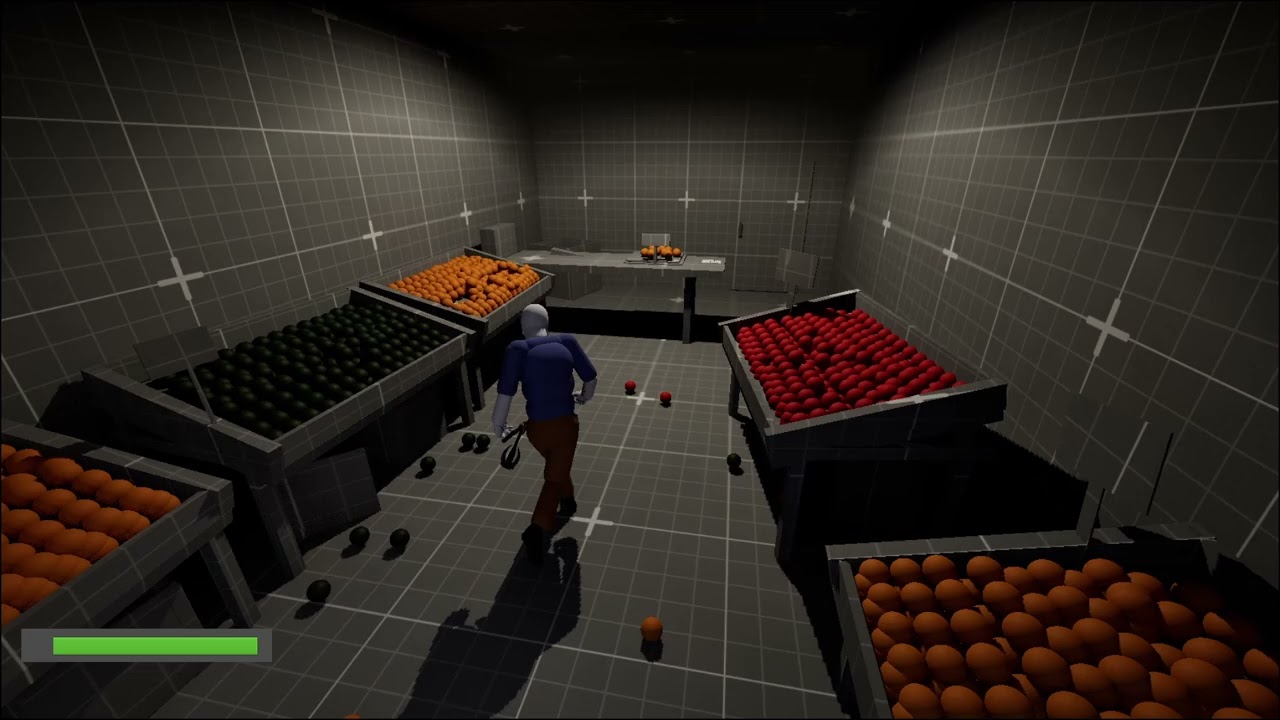
Right from the start, fallen fruits on the ground signal chaos and a rushed escape, serving as storytelling (and foreshadowing).
- Wooden utility poles serve as subtle indicators that lava may not have reached the area, hinting at a safer path.
Technique Highlight 3: Multiple Approaches and Foreshadowing
My method: I designed the level to allow different types of players to express their playstyles, while still evoking the emotions I intended.
How I executed it: I crafted a mix of open, explorable zones that gave players freedom of choice and multiple paths. I also added more guided spaces that, while linear, delivered rich storytelling moments.
Level Examples:
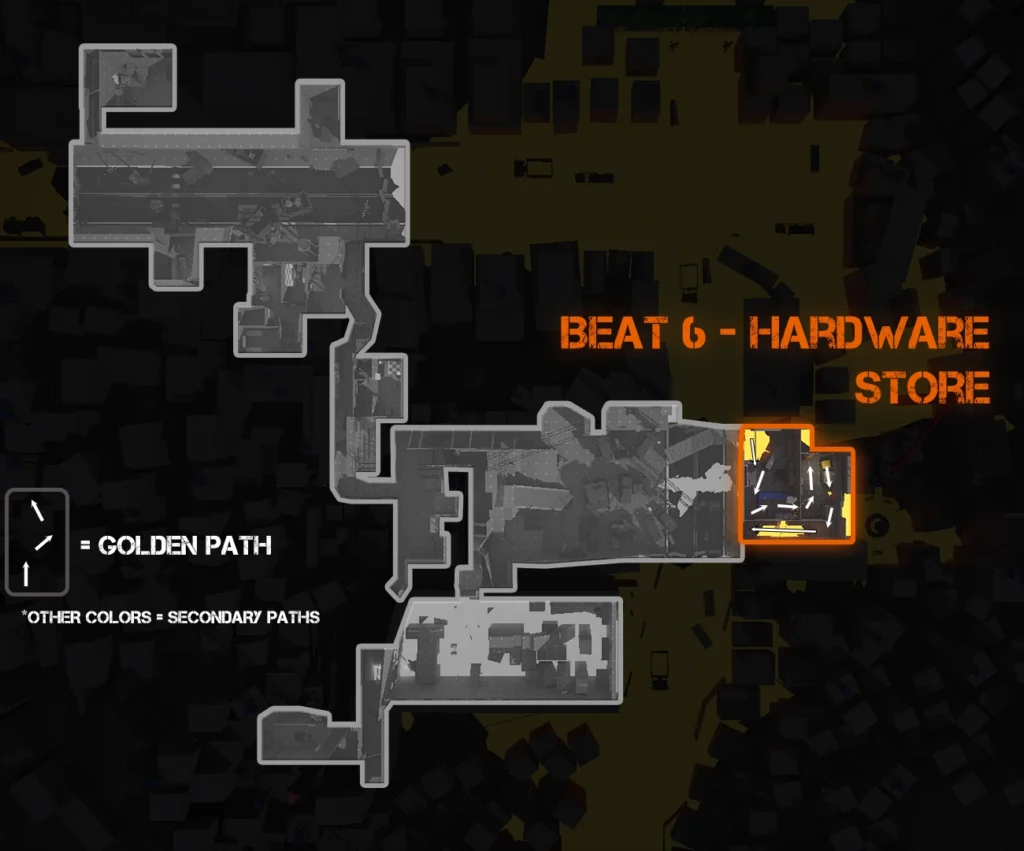
The hardware store destination becomes prominent through the vista, but it is the player who decides the path to reach it.
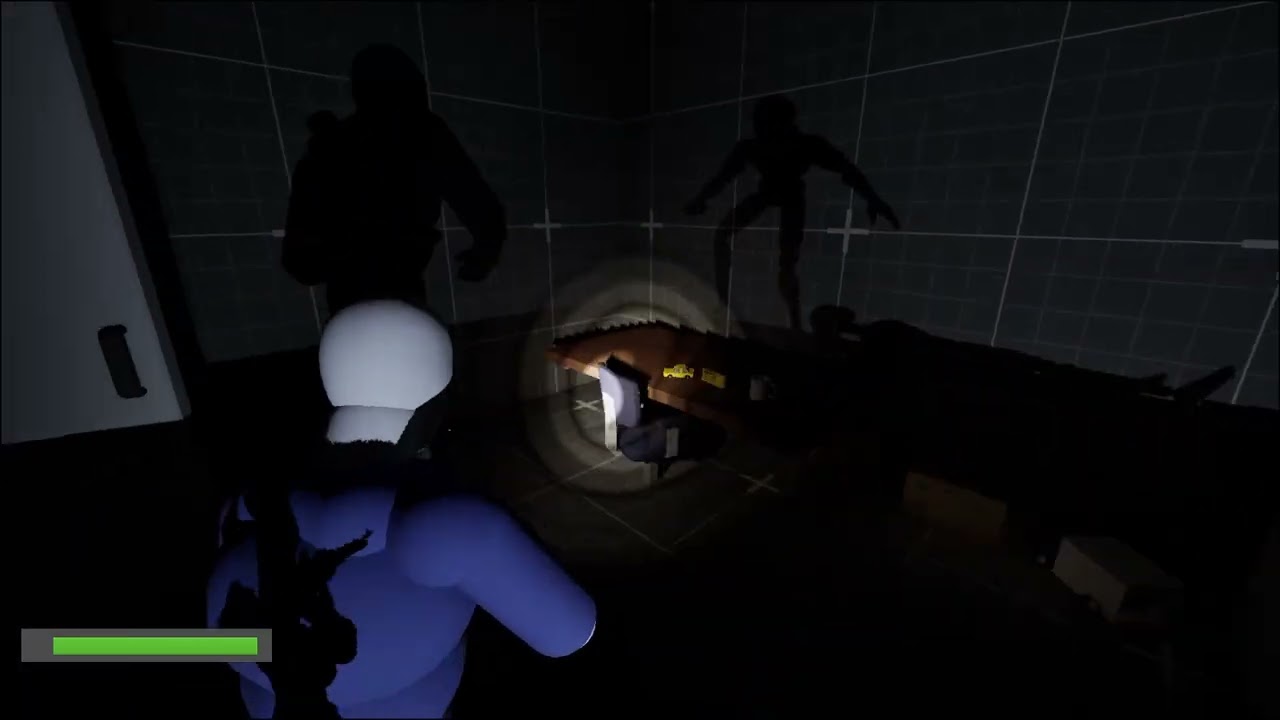
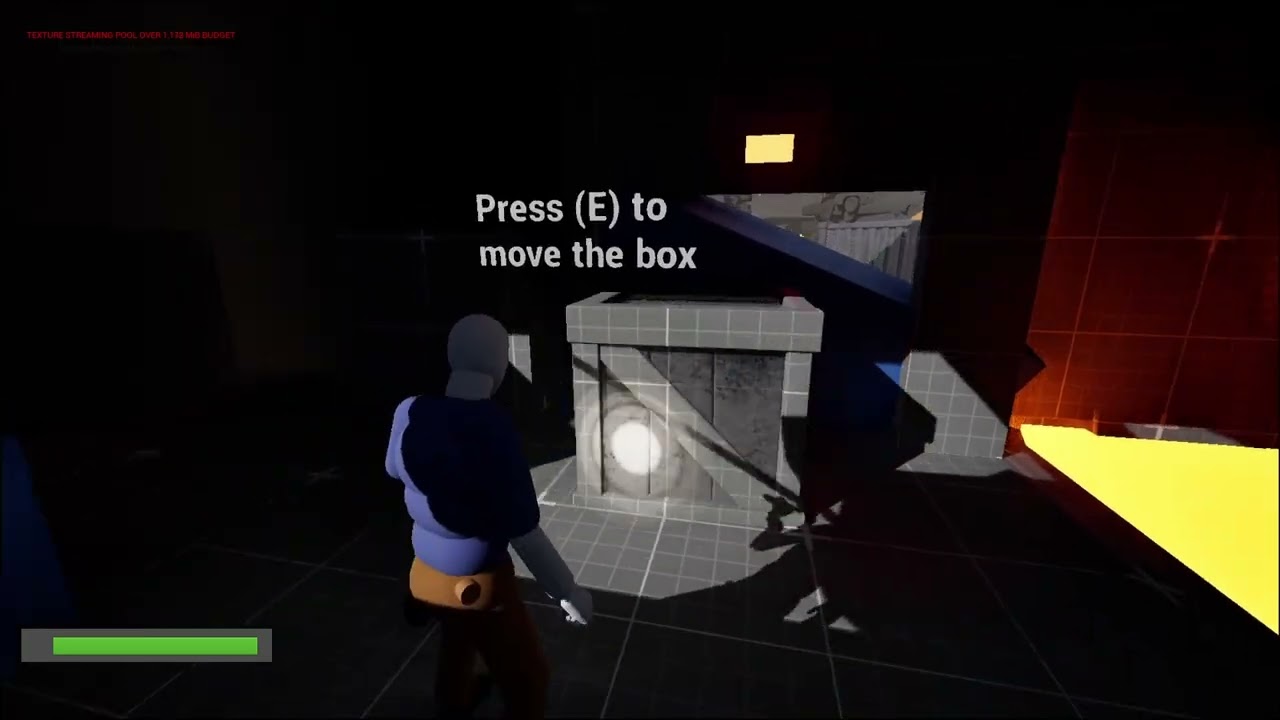
The abandoned, frightening atmosphere of the house reinforces the tension, as the flashlight toys with players fears using creepy shadows.
- Players have the choose between risk/reward of taking the safer route, or seeking the treasure that comes with the higher-stakes route.
Walkthrough
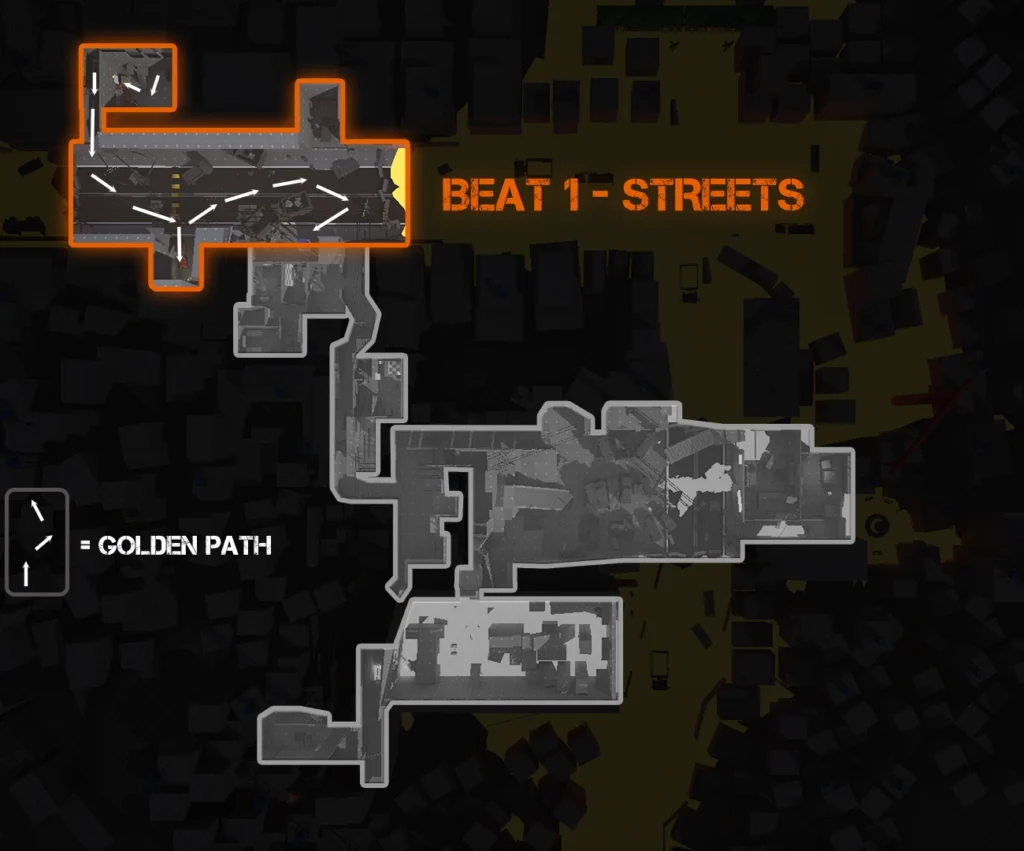
Beat 1: Streets
Players exit a room into a chaotic, abandoned city street filled with debris. Some local shops look like they were left in a hurry, and both street ends are blocked, so the only way forward is a door hinted at by a fallen wall on the ground.
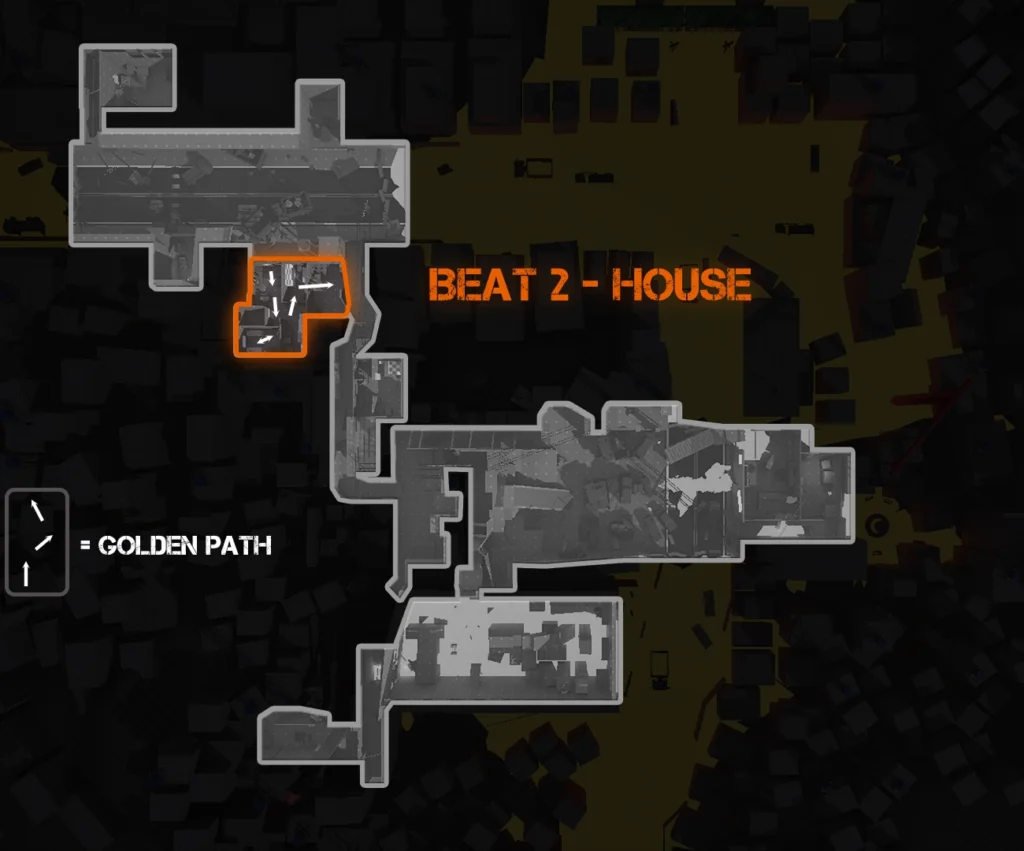
Beat 2: House
The TV light in the living room illuminates the tense atmosphere of the house, displaying an eruption alert. Items were left behind, and some rooms contain oddly arranged toys casting eerie shadows. This is the players’ first interaction with the flashlight, which they need to use to navigate inside the house
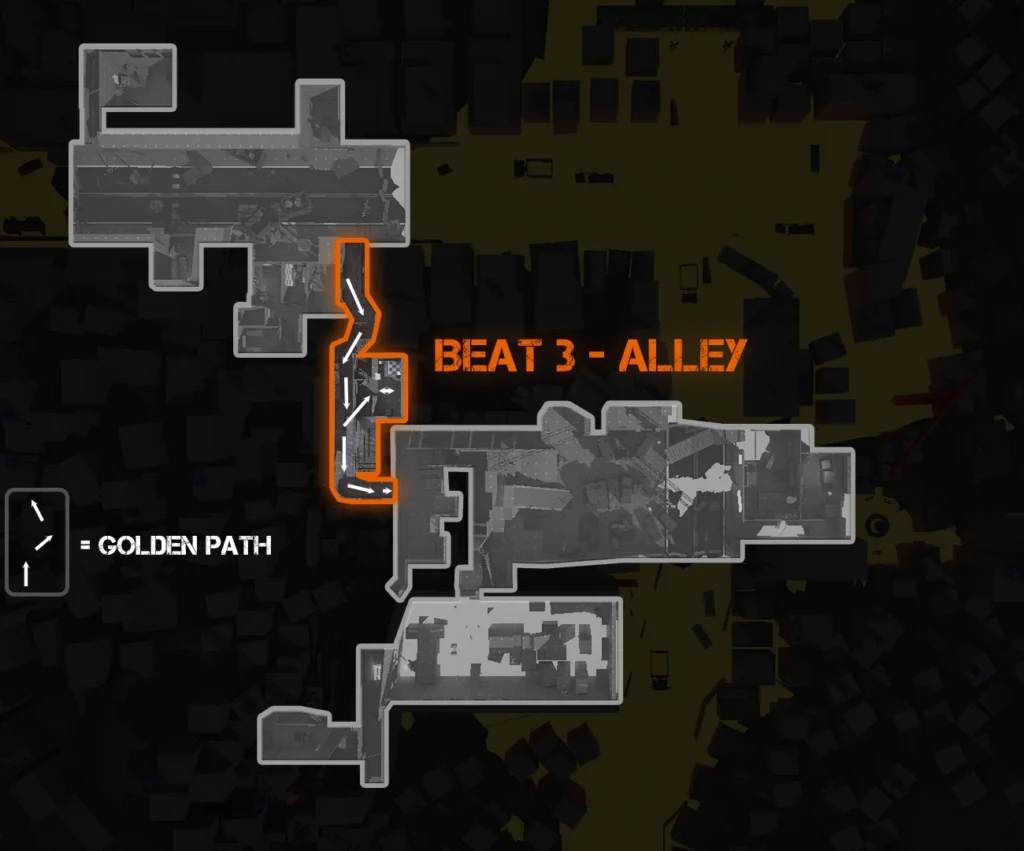
Beat 3: Alley
An alley frames the objective, the radio tower, while the hostile architecture of the houses evokes tension in the players. A scream is heard, and shortly after, a body is thrown over the wall, something is wrong. This serves as a tension buildup to the next beat.
Beat 4: Climbing Roofs
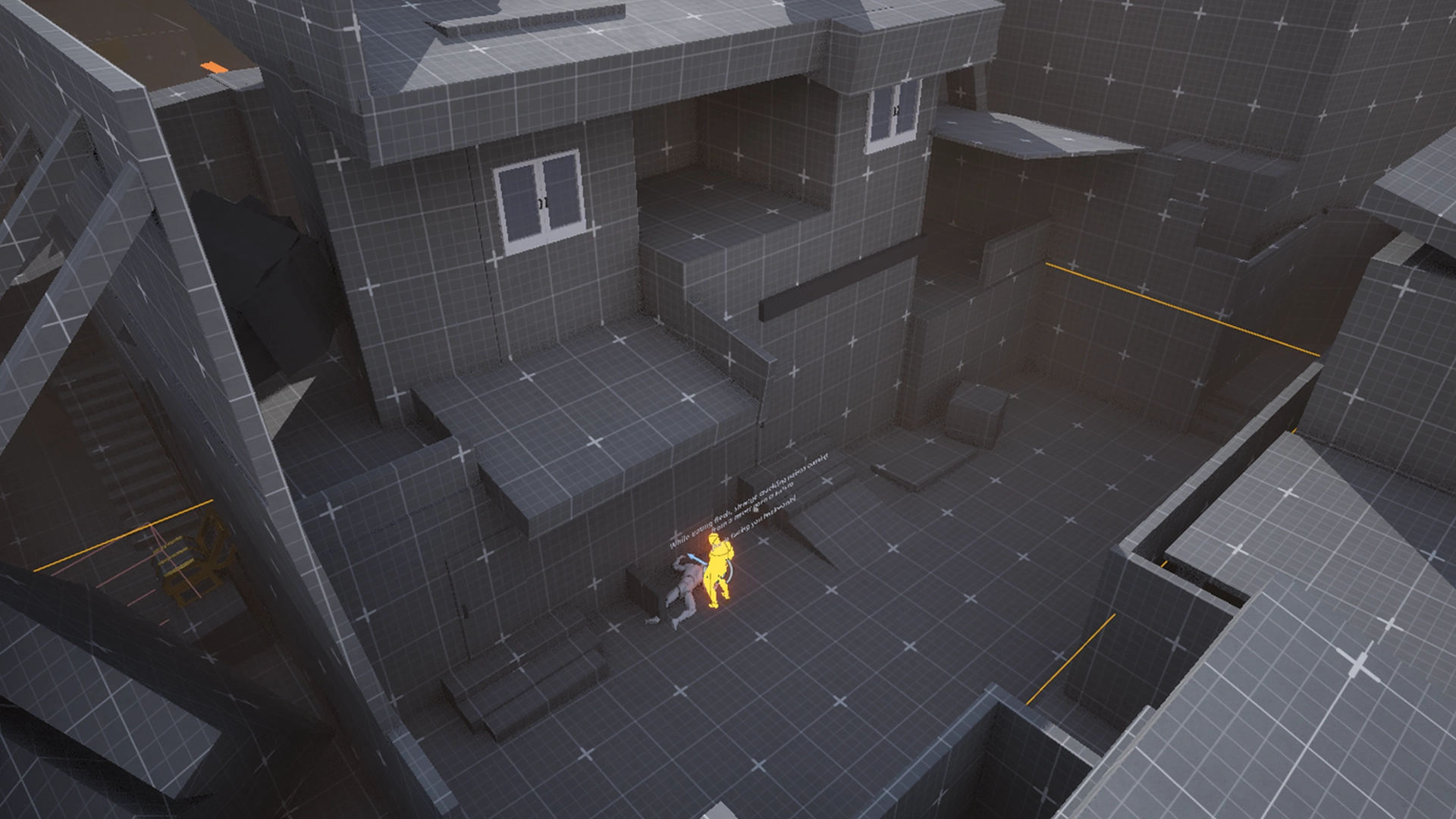
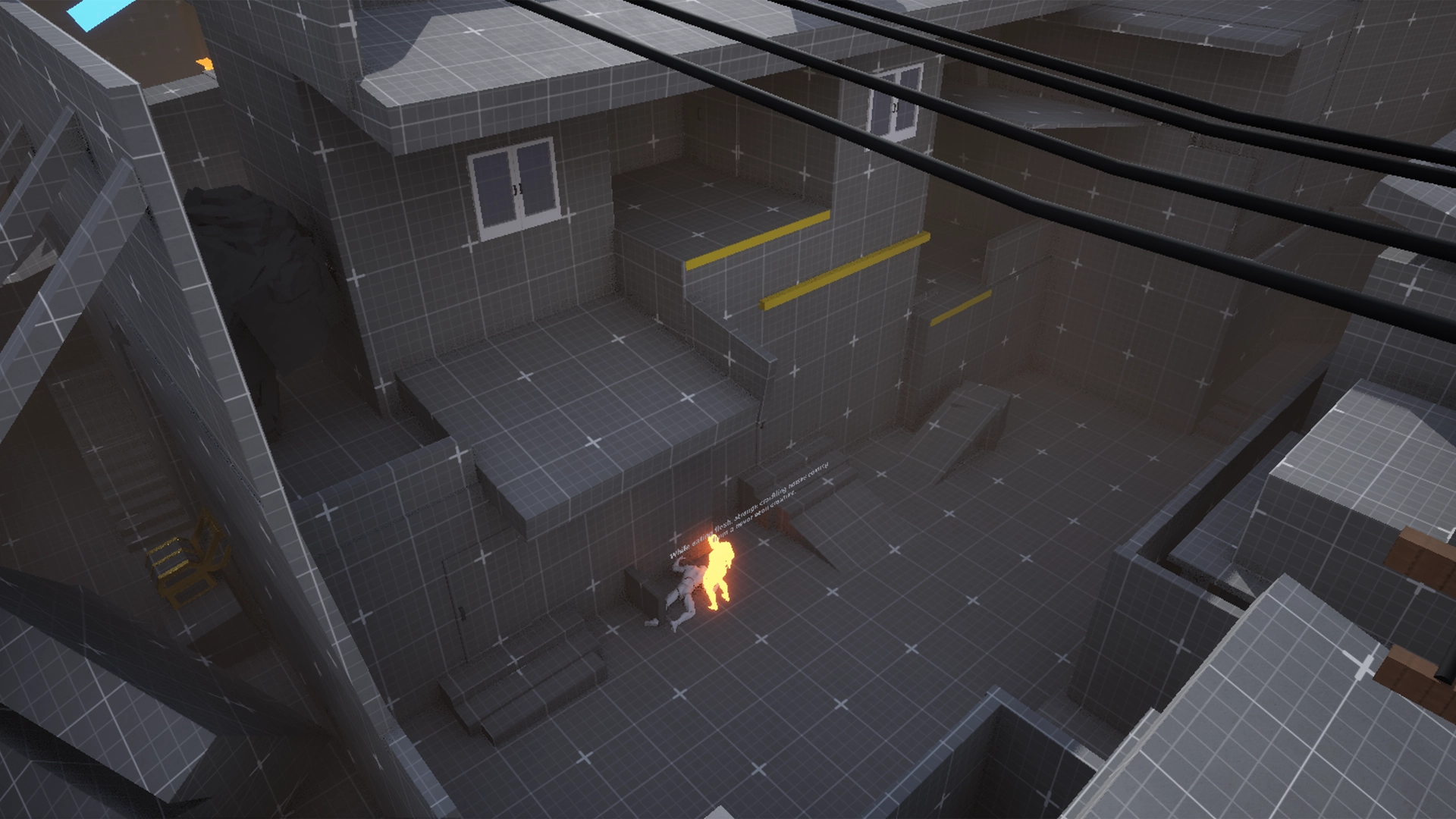
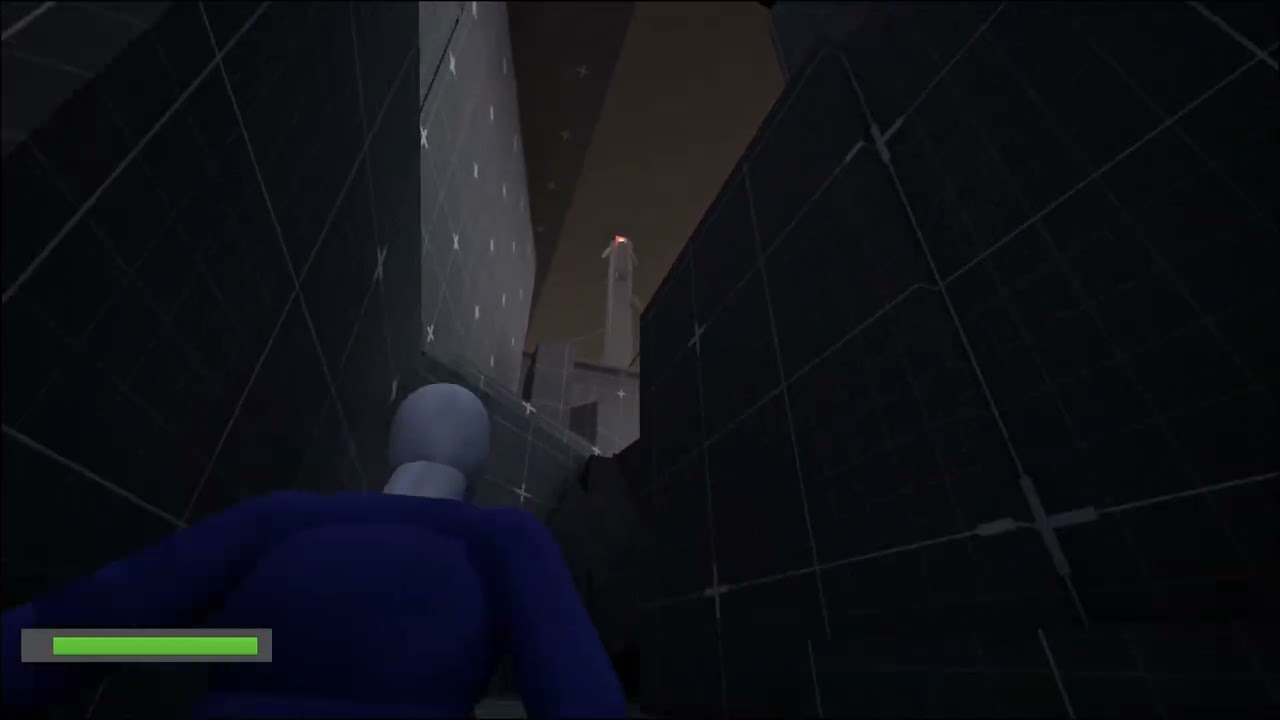
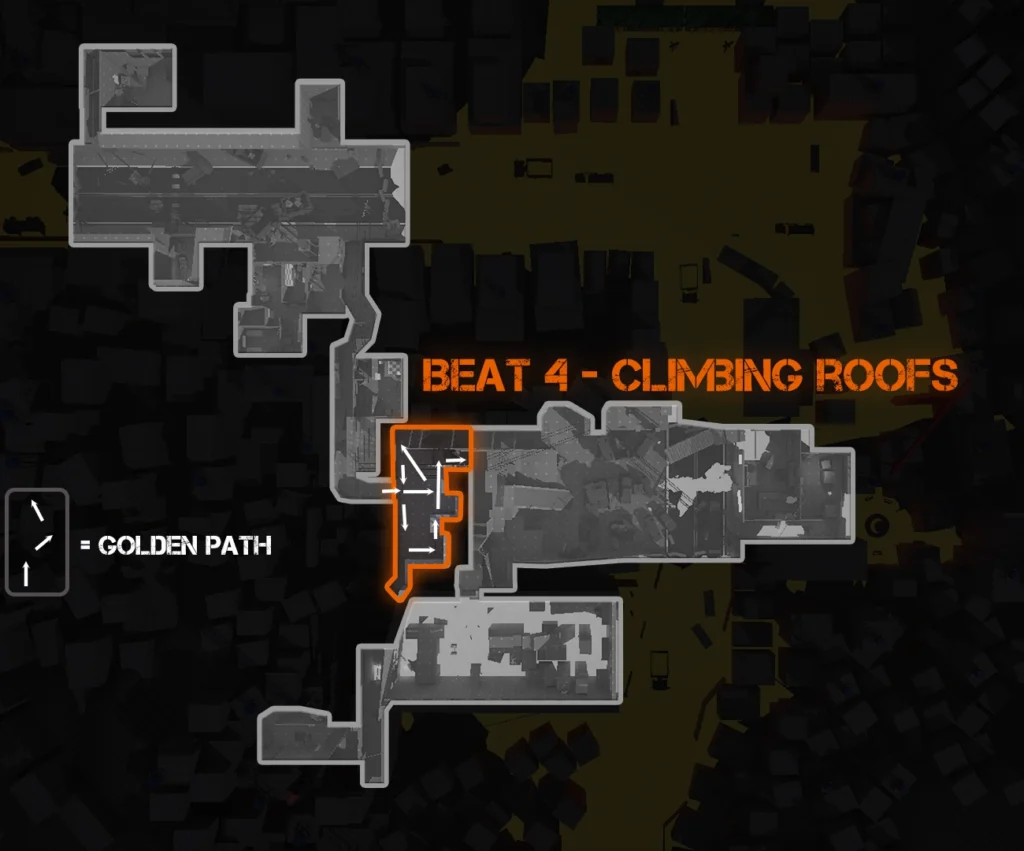
The level’s first enemy is framed by the environment, inviting players to do a stealth kill. The only way forward is upward, and the roof ledges of the houses naturally guide players in that direction.
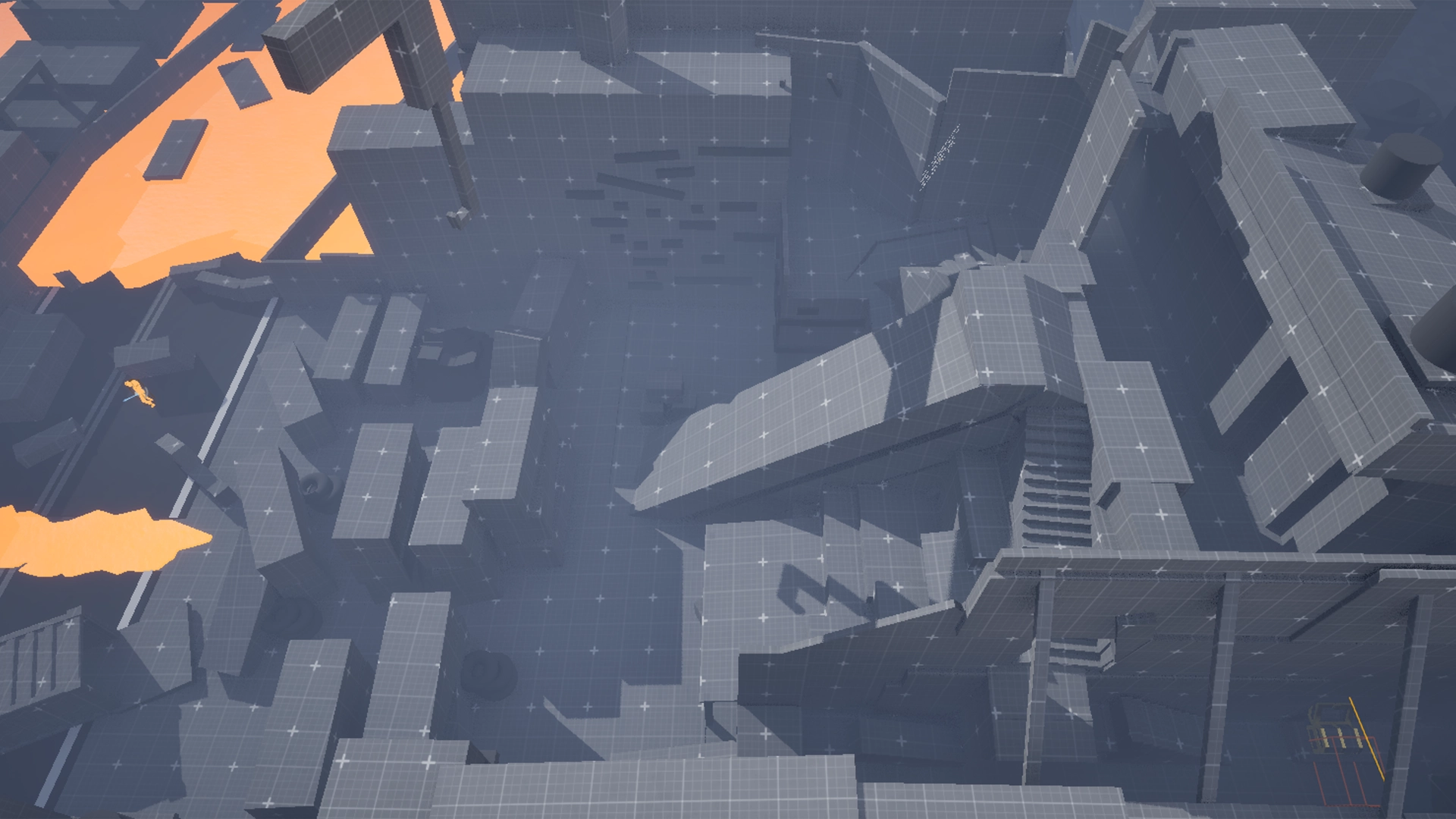
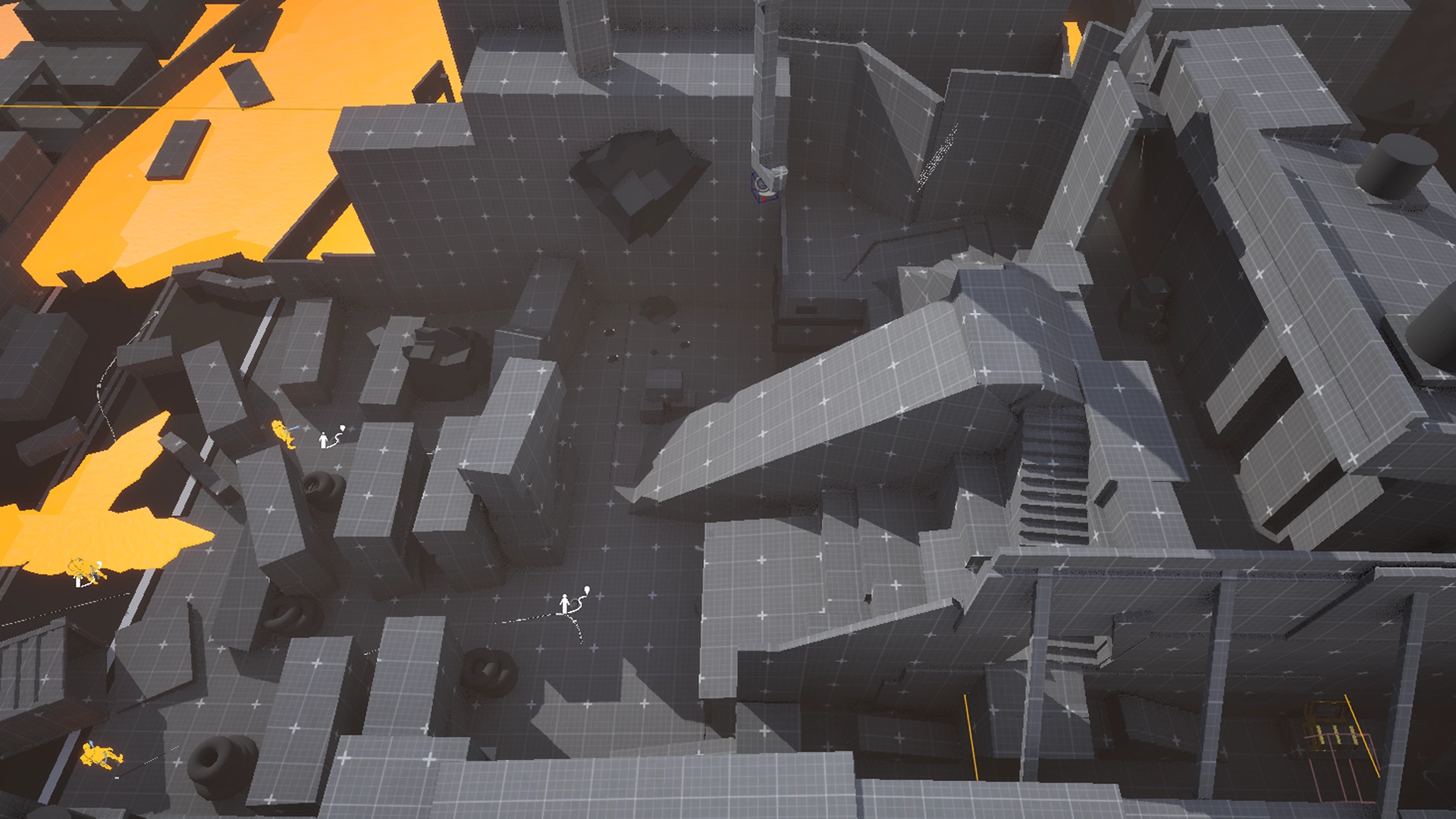
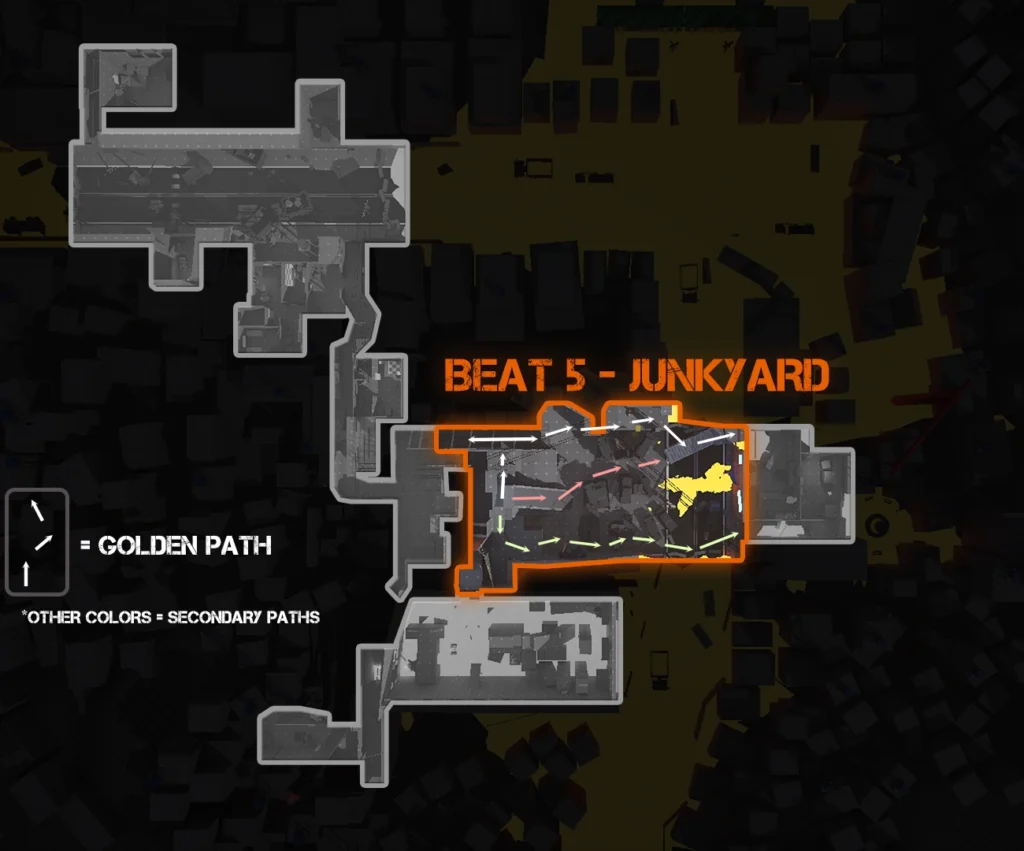
The junkyard vista lets players plan their approach; they can pick the one that fits best, and the hardware store in the background acts as a POI, drawing players’ attention to the objective.
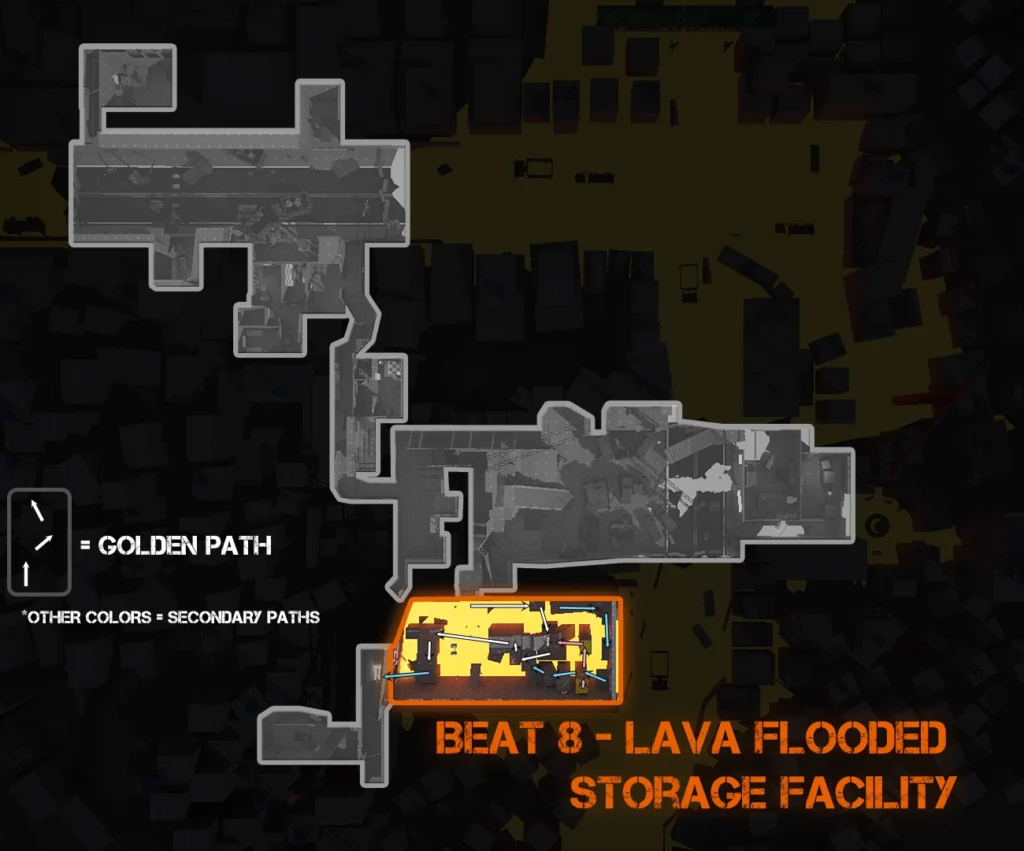
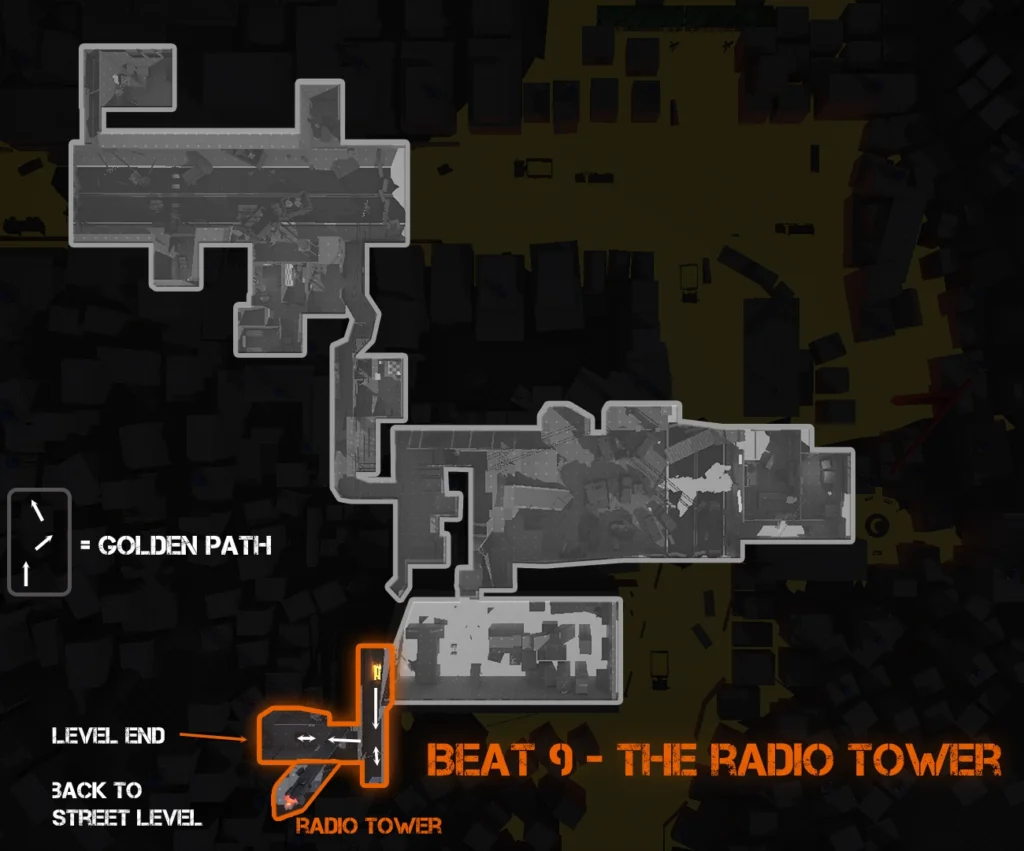
Process Breakdown
Overview
1. Research, Ideation & Planning
2. Level Design Document
LDD: I created a Level Design Document to provide a clear overview of the level’s main objectives, tone, and mood, ensuring a solid direction aligned with the original proposal, while still allowing room for updates.
The document mainly contains:
-
Beat Sheet
-
Intended Tone
-
Level Mechanics
-
Setting and Atmosphere
-
& More.
Beat Sheet: I developed a color-coded beat sheet that identifies every level beat, specifying the intended gameplay type (stealth, combat, traversal, narrative, etc.) and the associated intensity for each section, making it easier to identify elements and maintain scalability.
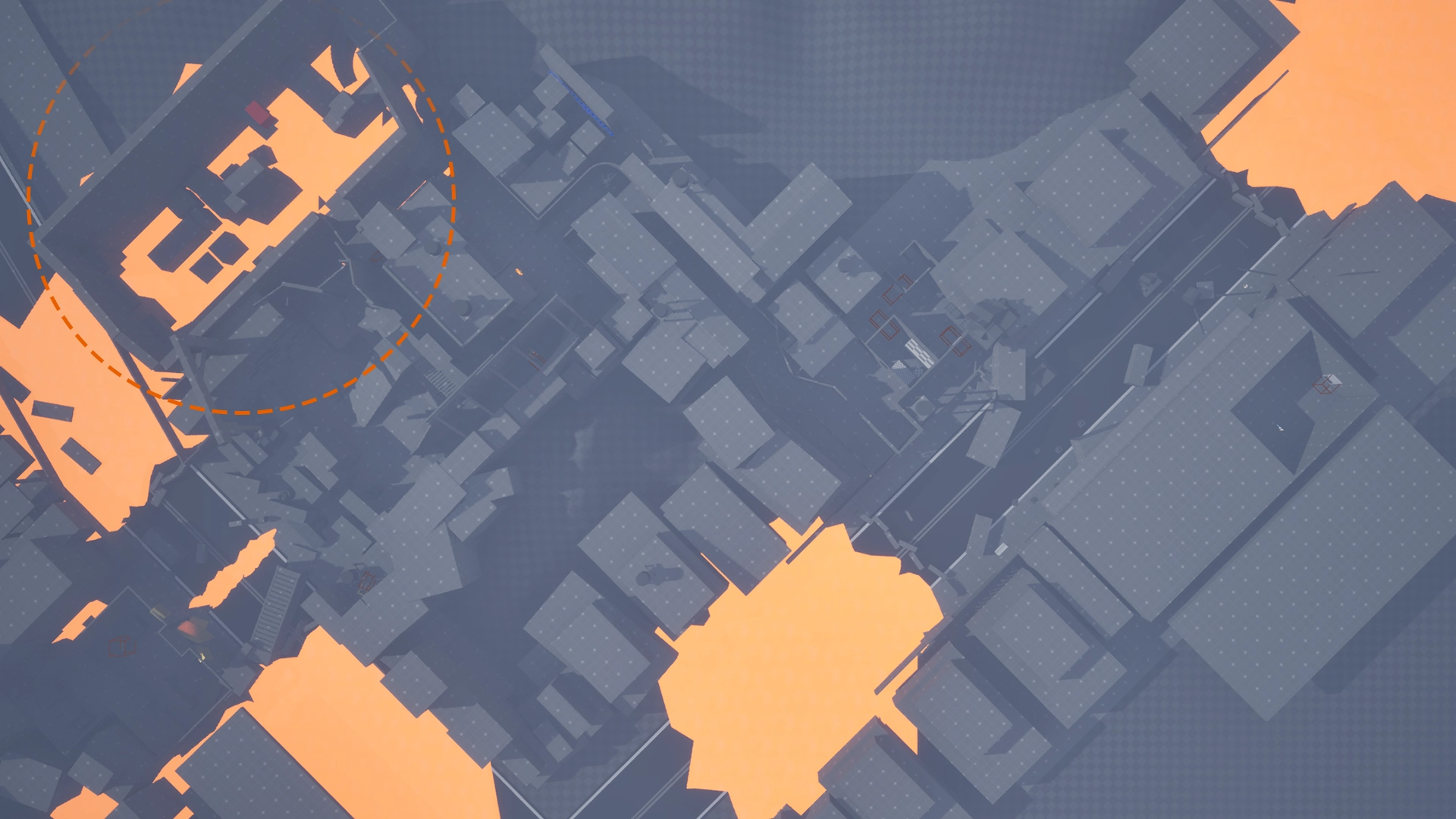
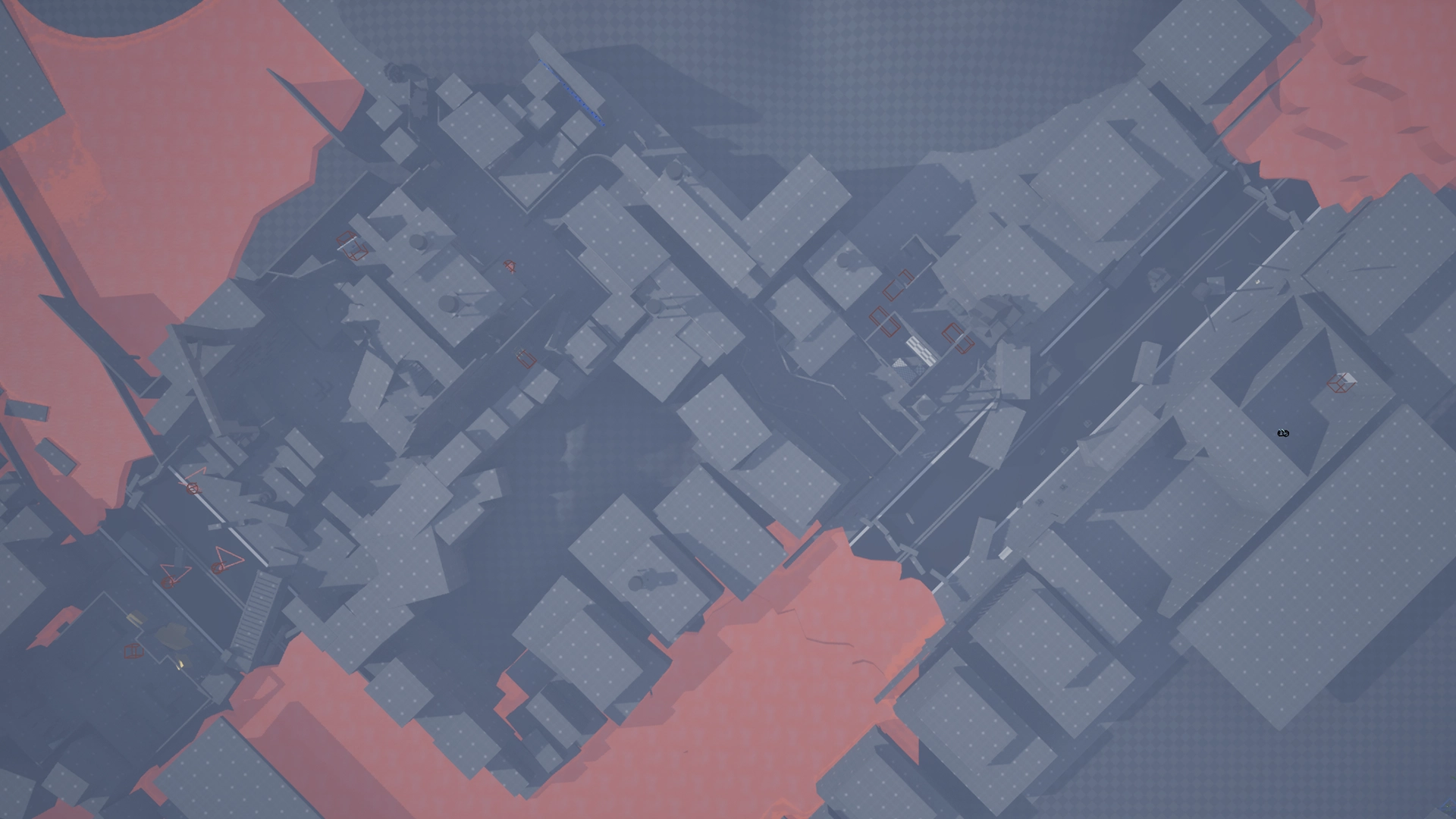
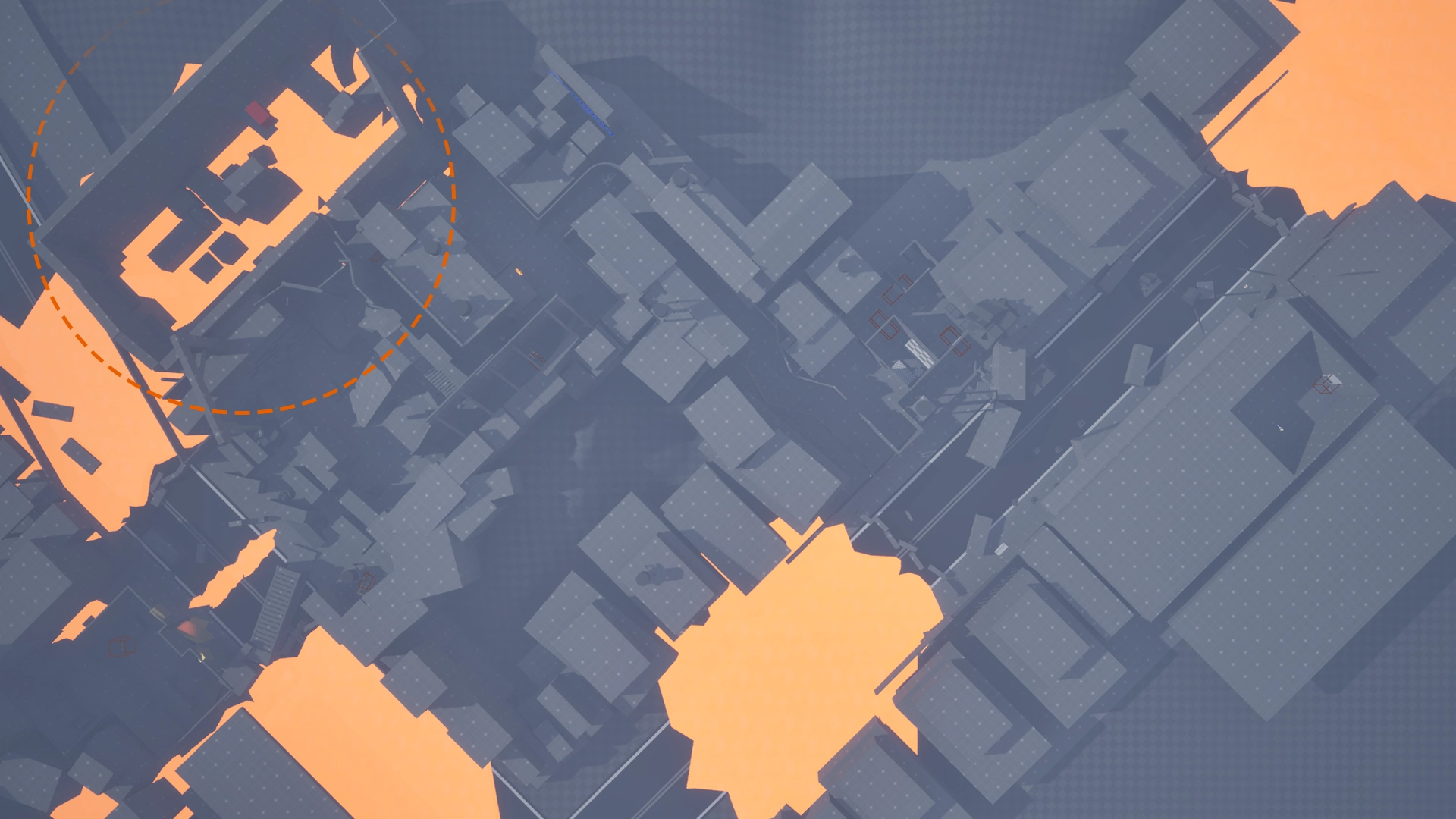
2D Map Layout: I created an easy-to-read map that can be easily understood even by those outside the level design team, making it suitable for large teams and facilitating communication in a highly dynamic environment.
3. Blockout 1
Results: I turned the 2D map into a 3D playable level, about finding shelter and escaping a dangerously lava-flooded urban environment
Goal: Transform a 2D map sketch into a walkable environment to evaluate pacing, spatial scale, and overall feel of the level.
Solution:
- Converted 2D layout into 3D, with minor tweaks.
- I validated environment widths against the emotional tone I aimed to convey.
- I performed a first quick check of the core mechanics to confirm their fit with the level.
Click below to expand and see an even more detailed breakdown of the iterations, playtests, and blockouts.
Playtest & Iteration 1
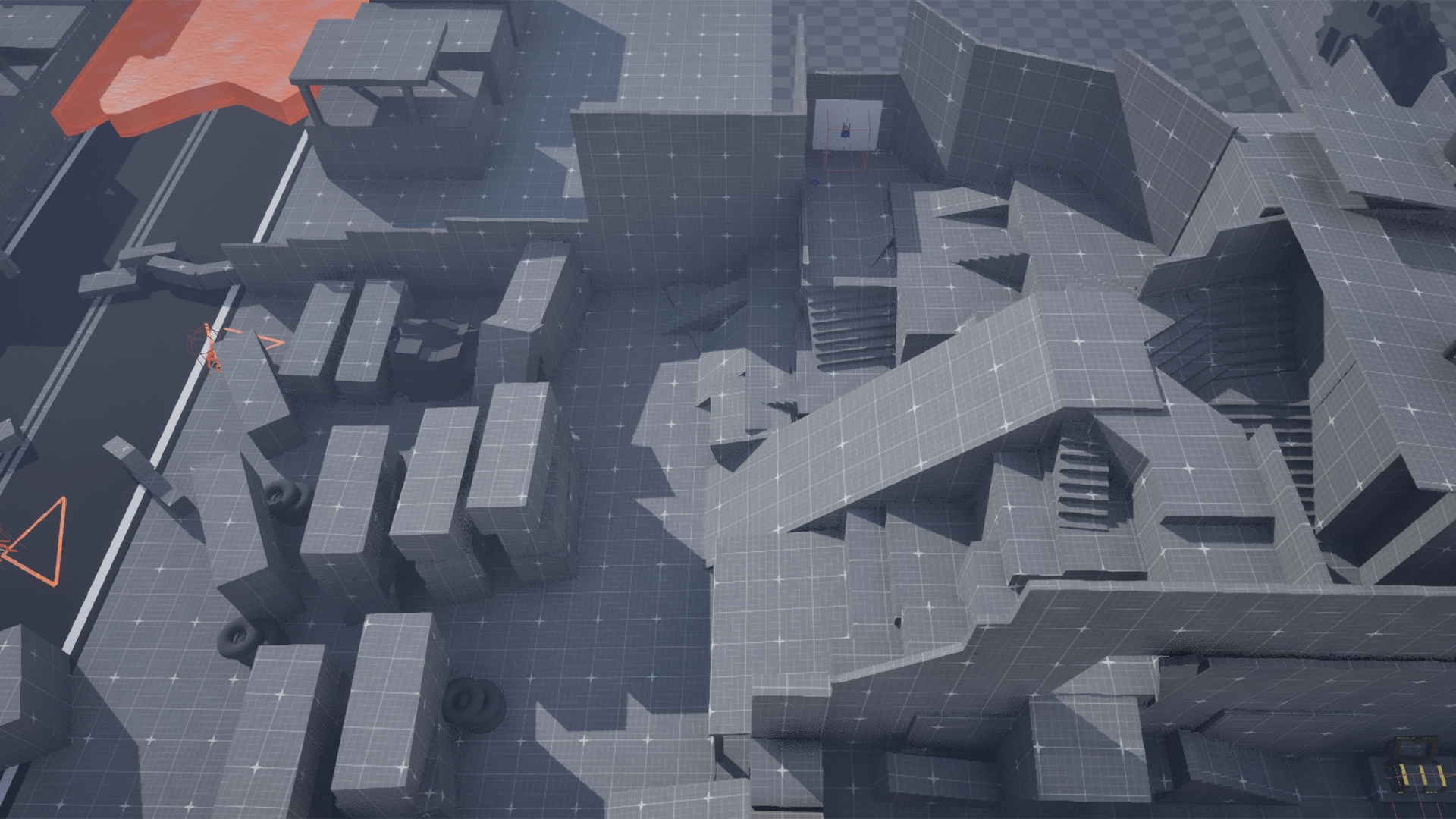
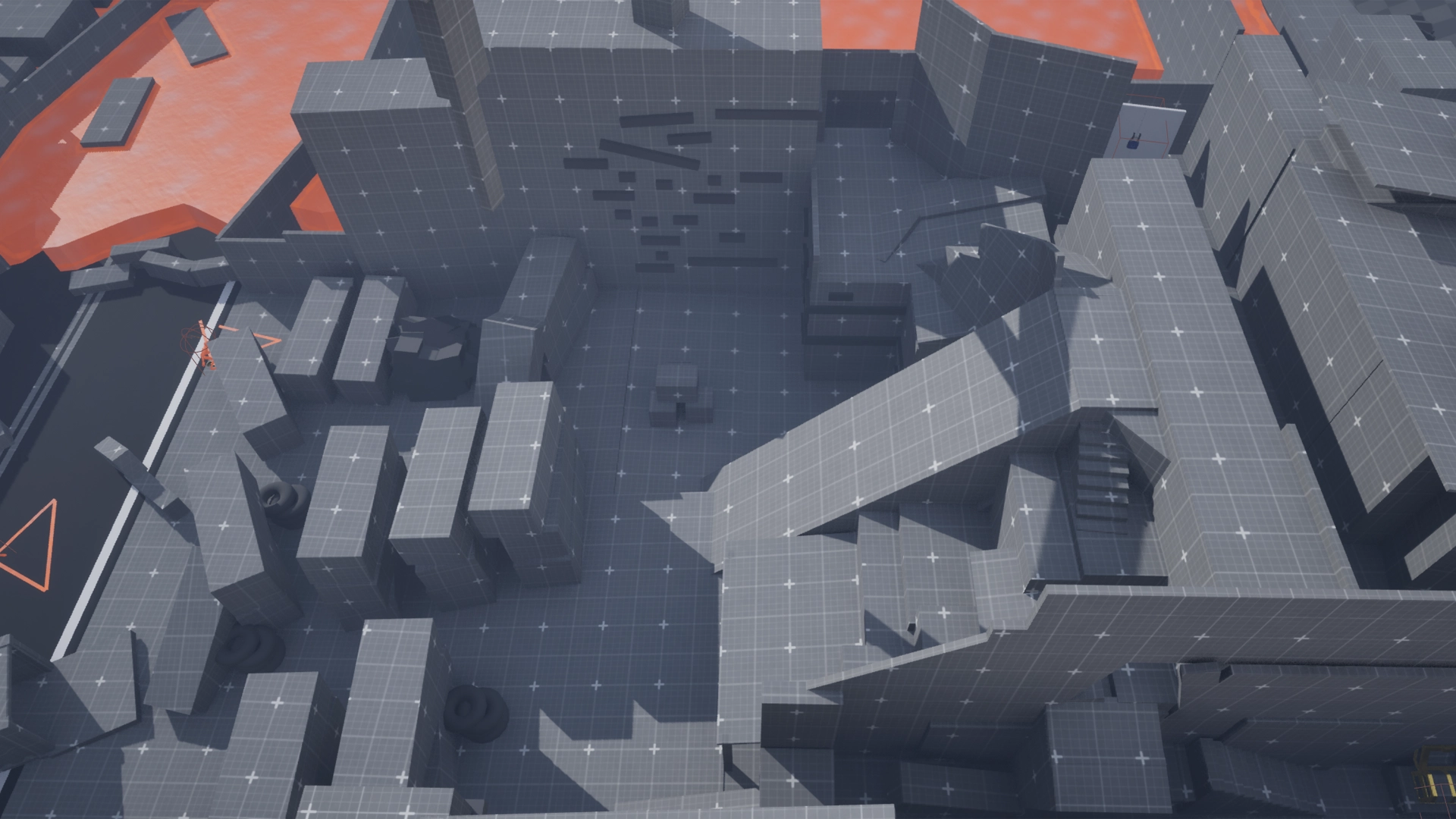
Highlight 1

Results: I addressed low‑engagement areas and corrected overly tight spaces, eliminating camera conflicts and improving the overall blockout quality and playability.
Feedback & Problem: Some spaces featured overly narrow corridors that caused camera conflicts, and other spots missed chances to become alternate routes, resulting in dead space.
Solutions:
- I built more explorable spaces in the junkyard beat, also providing the player with an additional route.
- I moved a door closer to the corridor the player came from, creating an expanded (but still engaging) backtracking area and a hook for future improvements and routes.
Highlight 2

Results: I improved traversal engagement by shaping the path in a subtle S‑curve instead of a long straight stretch.
Feedback & Problem: An alley featured an overly long straight section with no interactions, jumps, or points of interest, making players feel bored and/or disengaged.
Solutions:
- I introduced a small bend in the straight path, avoiding player boredom and enhancing traversal.
Blockout 2 - Improving Path Clarity and Engagement
Results: Players now follow clearer paths on a beat-by-beat basis, with better pacing and readability, and a new route was added to the junkyard backtracking beat.
Goal: Focus on low-engagement areas, mainly traversal segments with little interaction. The mirrored backtracking area wasted space that could’ve made navigation more engaging.
Solution:
- I tuned corridor widths and interior heights to optimize navigation, minimize camera clipping, and improve overall readability.
- I added an alternate path to expand player approach options and support multiple playstyles.
- I added props in the junkyard to provide more options for stealth takedowns and evasion.
Playtest & Iteration 2
Highlight 1

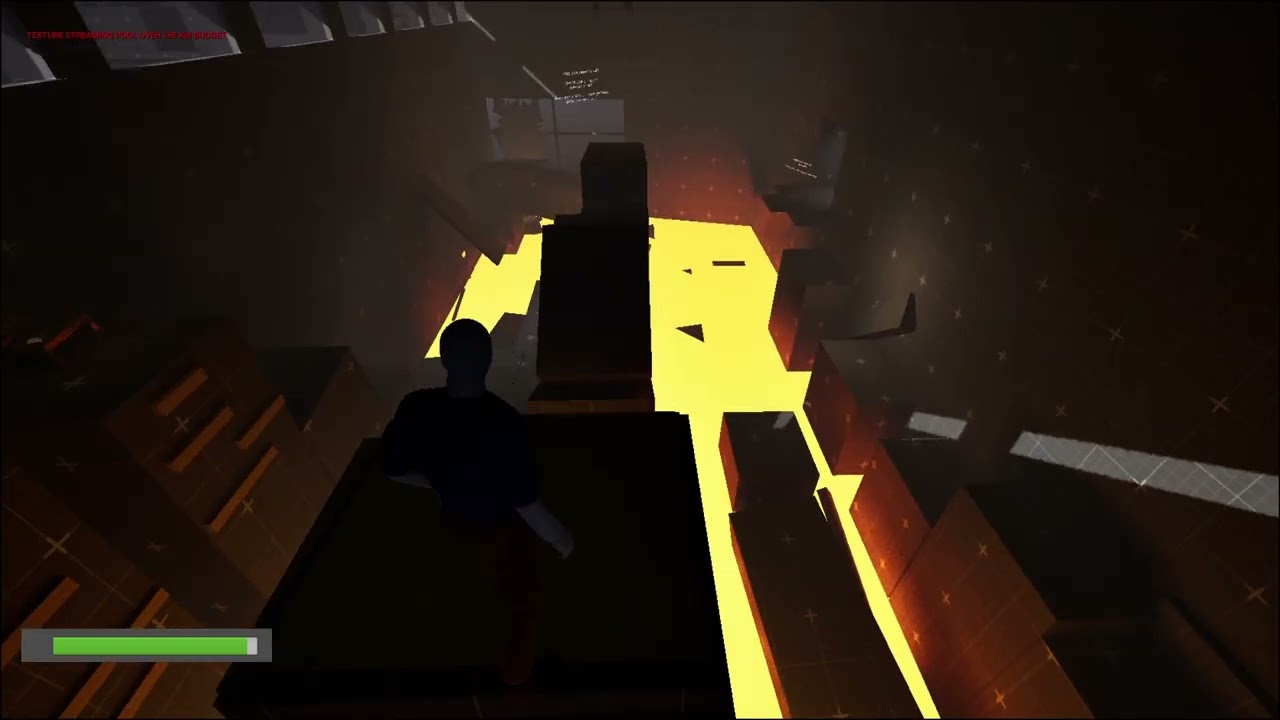
Results: I built a new and more interesting traversal section featuring hazardous lava platforming to raise tension and challenge.
Feedback & Problem: The level was ending on a calmer, less challenging note than intended, reducing late‑stage tension and payoff.
Solution:
- I reworked the level’s original ending beat, delivering a fully overhauled version that blends mechanics in a more engaging way than the initial plan.
- Within the reworked beat, I created a small section to introduce a new mechanic tailored to the level’s traversal challenges.
Blockout 3 - Raising Late-Game Tension
Results: I built a more polished and engaging level by expanding player options, making key tweaks, and adding an entirely new section to the map.
Goal: Refine areas whose impact lowered overall quality, and improve the ending, which currently closes on a low-engagement beat.
Solution:
- I used a vantage point to highlight the weight of choosing the branching path early on.
- I added a conclusion area that reused an existing tutorialized mechanic with a more meaningful way to utilize it.
- Changed the color of non-interactable doors to gray, which solved the issue of players confusing them with real interactable ones.
Playtest & Iteration 3
8. Playtest & Iteration 3
Highlight 1

Results: I helped players feel more immersed in the city’s story, encouraging exploration and understanding of the events unfolding around them.
Solution:
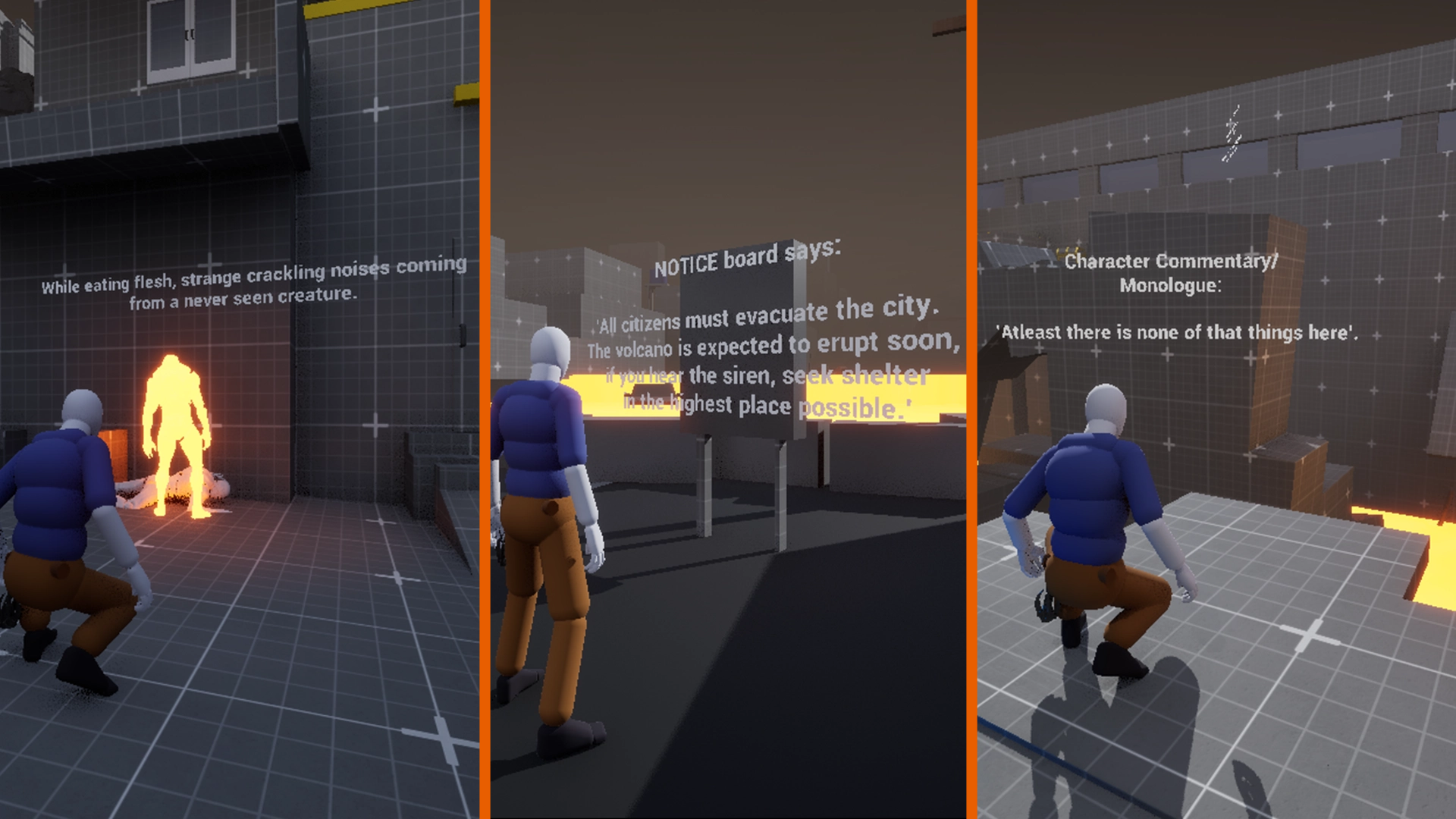
- I added narrative elements such as texts and monologues to provide even more context to the level.
Highlight 2

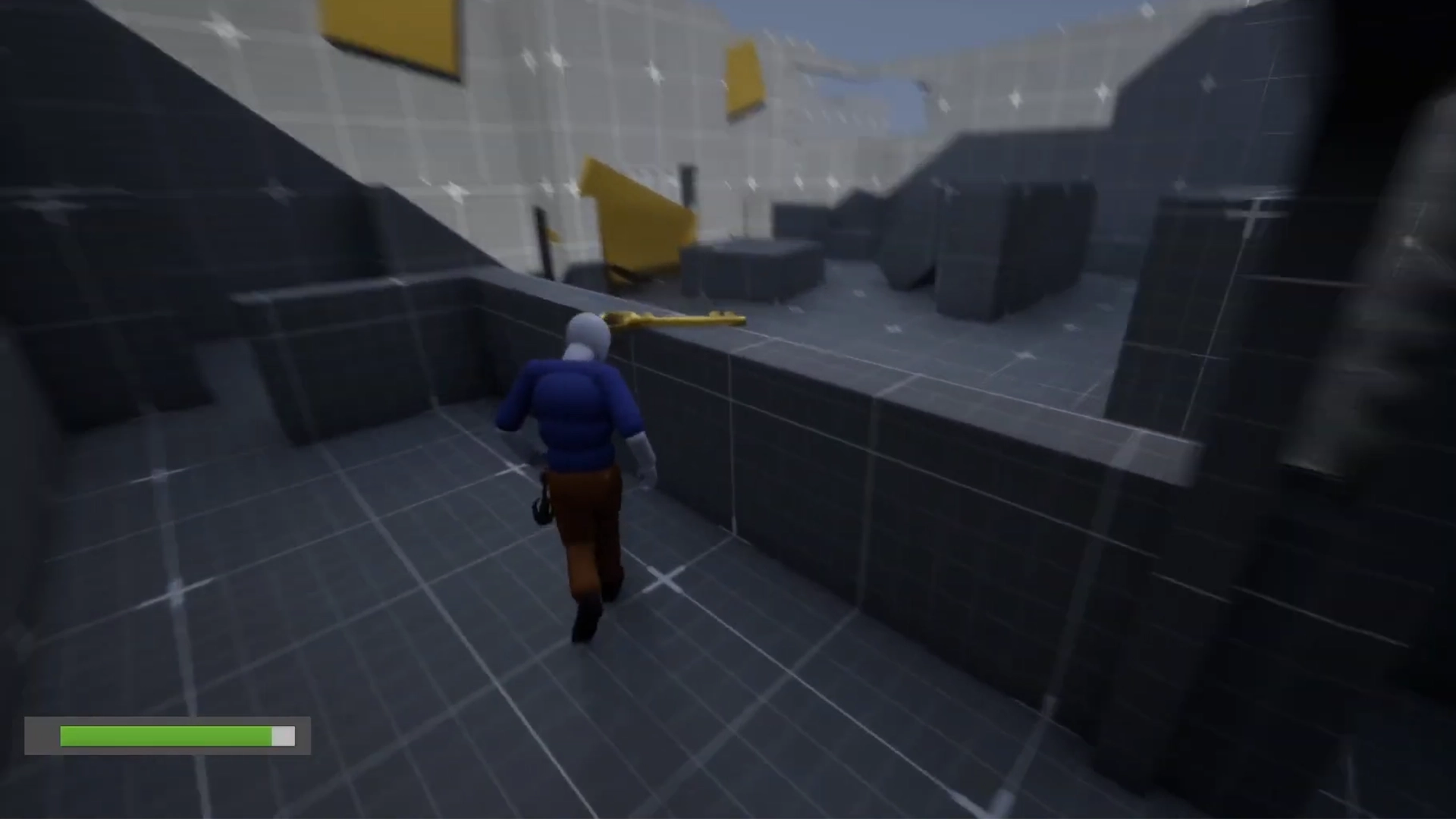
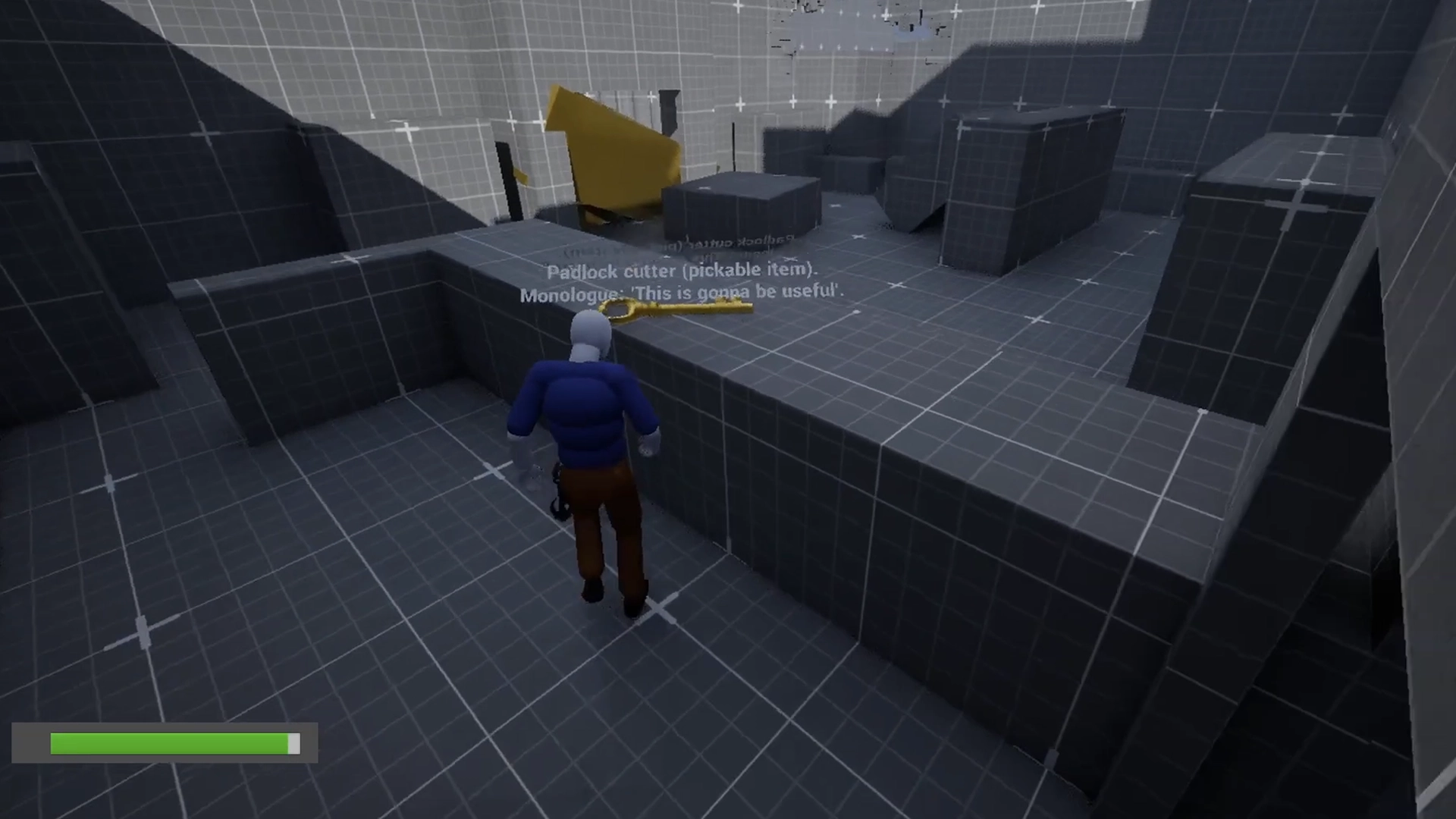
Results: I made a critical collectible more noticeable, as it’s tied to level progression, making players understand better on what do.
Feedback & Problem: The item pickup feedback was too subtle, causing the essential item to go unnoticed.
Solution:
- Added a character monologue to reinforce the action.
- Made the counter larger for easier recognizability.
Blockout 4 - Rewarding Player Completion
Results: I created a small final section that rewards players with a narrative payoff, reinforcing their success in completing the level.
Goal: Create a level beat that rewarded players and closed the small story arch at the same time.
Solution:
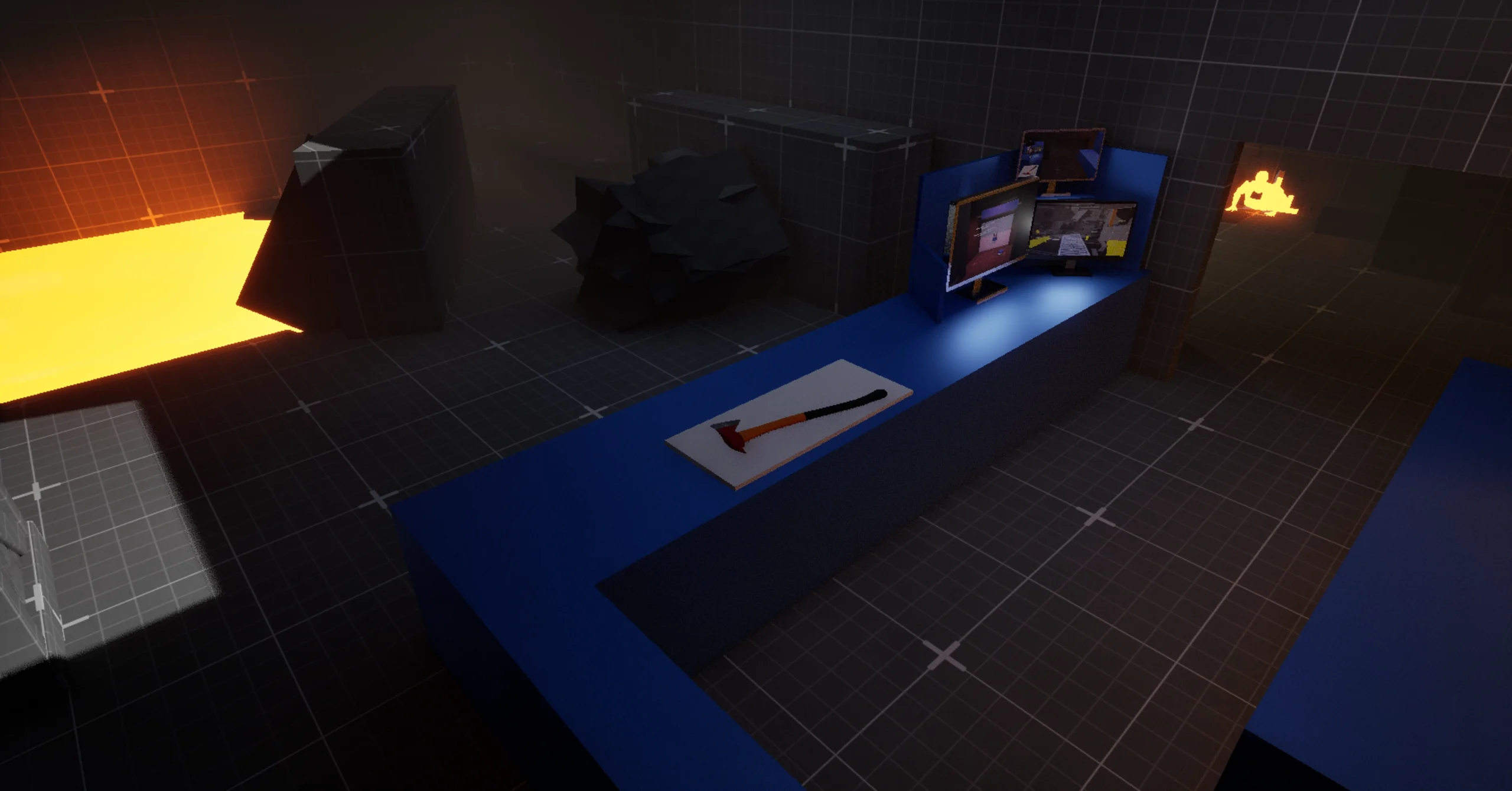
- I built a small radio tower control room, giving the impression that the player might reach someone.
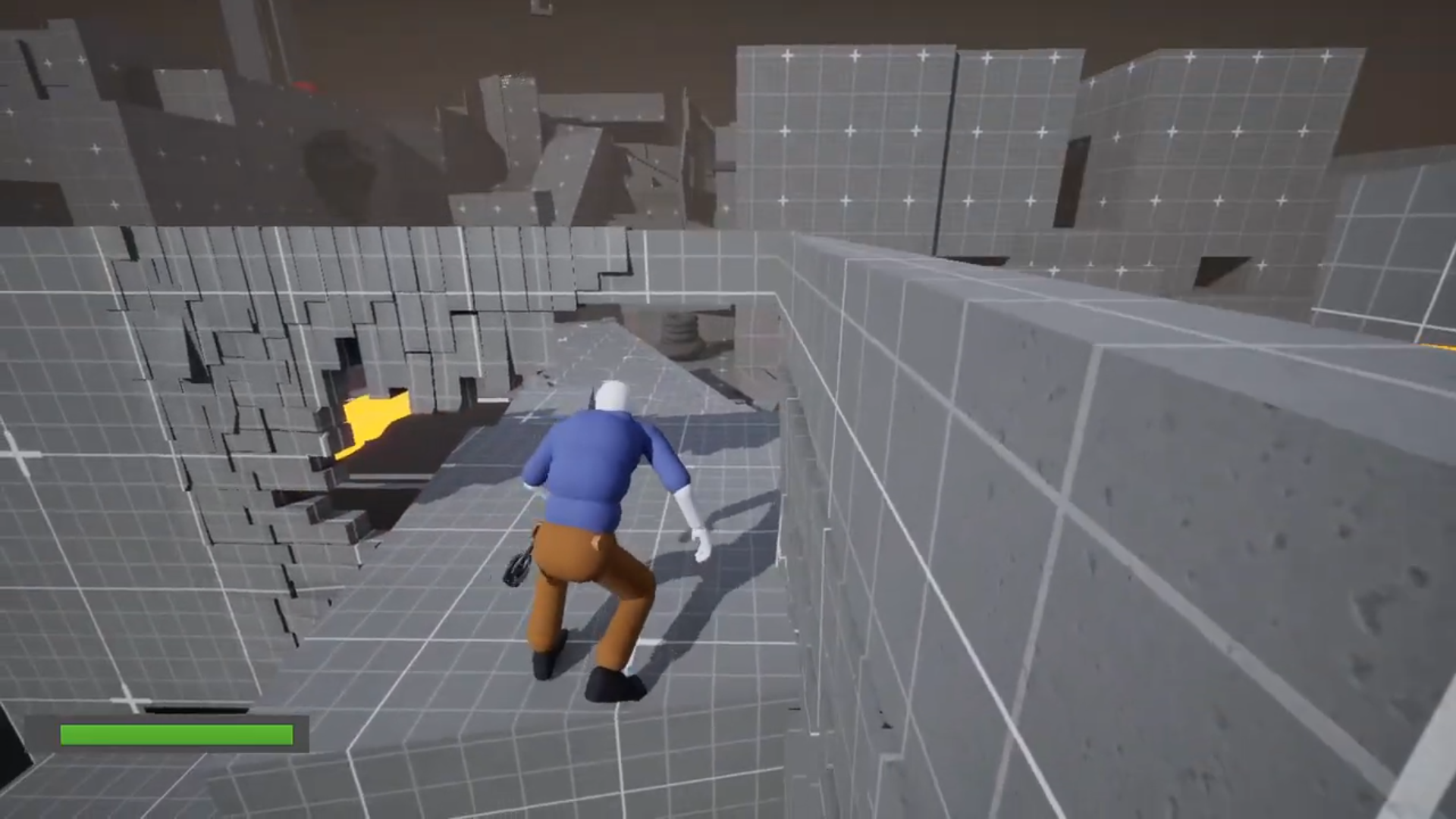
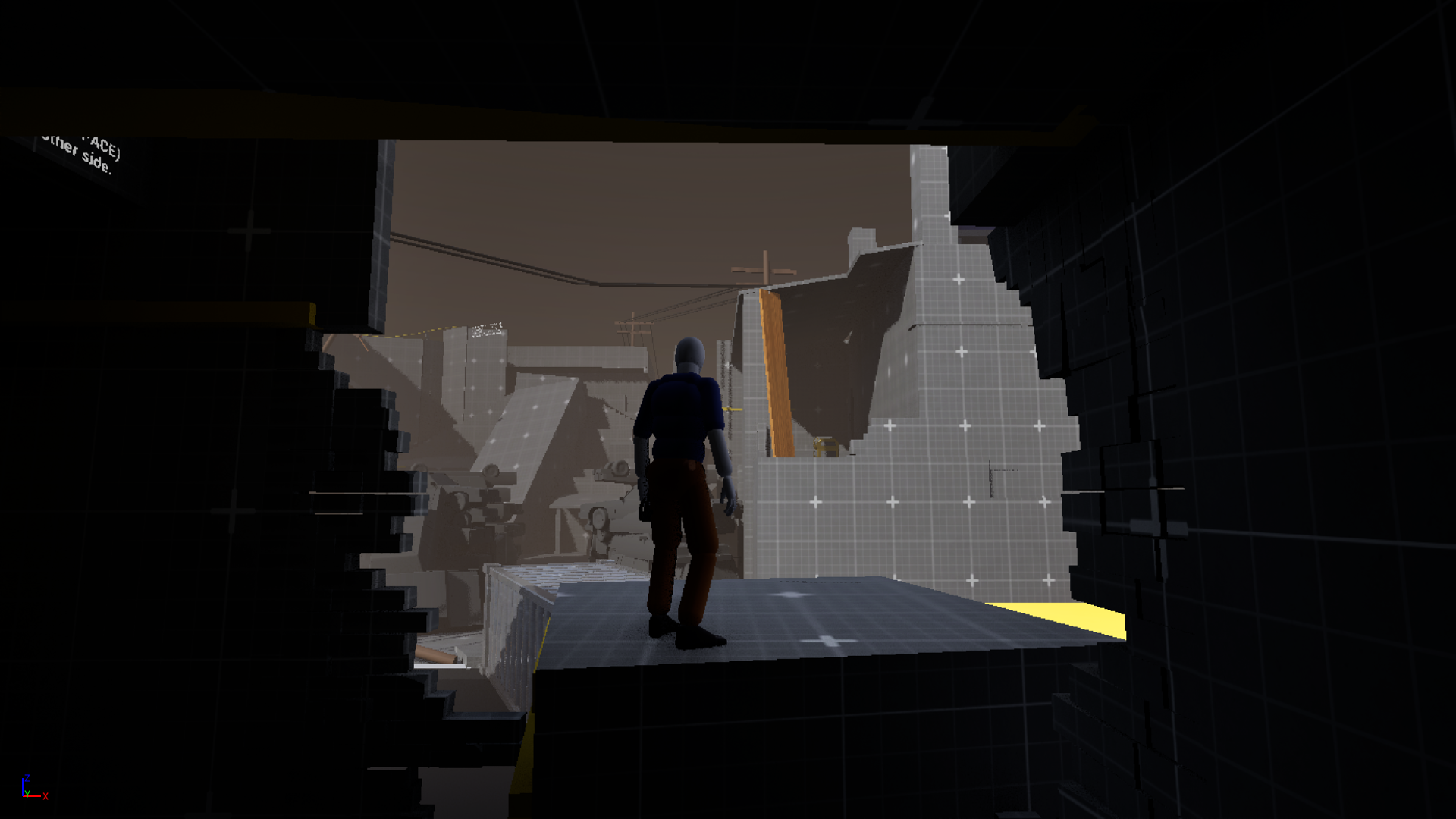
- I made players reach the room by squeezing through a narrow gap instead of a door, clearly showing it’s a shortcut since the city’s main route is blocked by volcanic debris.
Playtest & Iteration 4
10. Playtest & Iteration 4
Highlight 1

Results: Players identified more clearly the where the main objective is.
Feedback & Problem: One of the ledge climbing areas drew players too much, despite being intended for backtracking.
Solution:
- Removed part of the climbing ledges from the junkyard wall, revealing them only on the backtracking route.
Highlight 2

Results: I made the secondary route to the objective more readable and added objects along it that could serve as cover or opportunities to eliminate enemies.
Feedback & Problem: Players weren’t sure if there was a secondary path to the objective.
Solution:
- Added cover-able objects and made the path clearer.
- Expanded stealth path opportunities.
Blockout 5 - Creating Anticipation and Improving Flow
Results: I enhanced the player experience by increasing tension and creating more opportunities for strategizing throughout the level.
Goal: Give enemies patrol paths, increasing the ability to explore and design encounters, thus enabling better level balance and pacing.
Solution:
- Repositioned blocks and added cover in front of the hardware store and in the junkyard section, creating clear paths to traverse.
- Added more ledge climbing locations to the storage facility.
- Implemented audio cues for creating a tense buildup of the upcoming level events.
Playtest & Iteration 5
12. Playtest & Iteration 5
Highlight 1

Results: I made the players feel more tense and unsafe, increasing the level’s atmospheric impact.
Feedback & Problem: Players were rushing through an area that was meant to be explored with caution.
Solution:
- Added roofs to all enterable buildings that changed the feel of the building interior.
- Set up extra lighting to better cover specific points in interior spaces that were too dark.
- Added tall pillars to block player’s vision towards a corner of the room.
Highlight 2

Results: I better communicated to players how the level could be approached and traversed.
Feedback & Problem: A collapsed part of the wall looked out of place, breaking player immersion and confusing players on how to approach it.
Solution:
- I made the collapsed wall in a more natural way so players were drawn to it.
Highlight 3

Results: I better communicated to players wich parts of the level could be interacted with.
Feedback & Problem: Interactable parts of the level (like climbable ledges) could use more contrasting colors.
Solution:
- I changed all climbable ledge colors to yellow, improving contrast and readability.
- Added more visual cues with contrastant colors to interactable level parts.
Blockout 6
13. Blockout 6
Results: I expanded player choice by giving more traversal options, encouraging exploration and increasing player-agency.
Goal: To allow players to express different playstyles and ways to engage enemies, and to provide more traversal options in the junkyard beat.
Solution:
- I made a plank as an interactable level prop to switch up the traversal options.
- I placed a reward in a strategic spot to reinforce exploration and curiosity in a platforming section.
- Added non-interactable background buildings to improve players’ perception of the environment.
Playtest & Iteration 6
14. Playtest & Iteration 6
Highlight 1

Results: I reduced player frustration and boredom by keeping them oriented throughout the level.
Feedback & Problem: I noticed that after finding a key progression item, players felt lost about what to do with it.
Solution:
- I redesigned the encounter involving a key progression item.
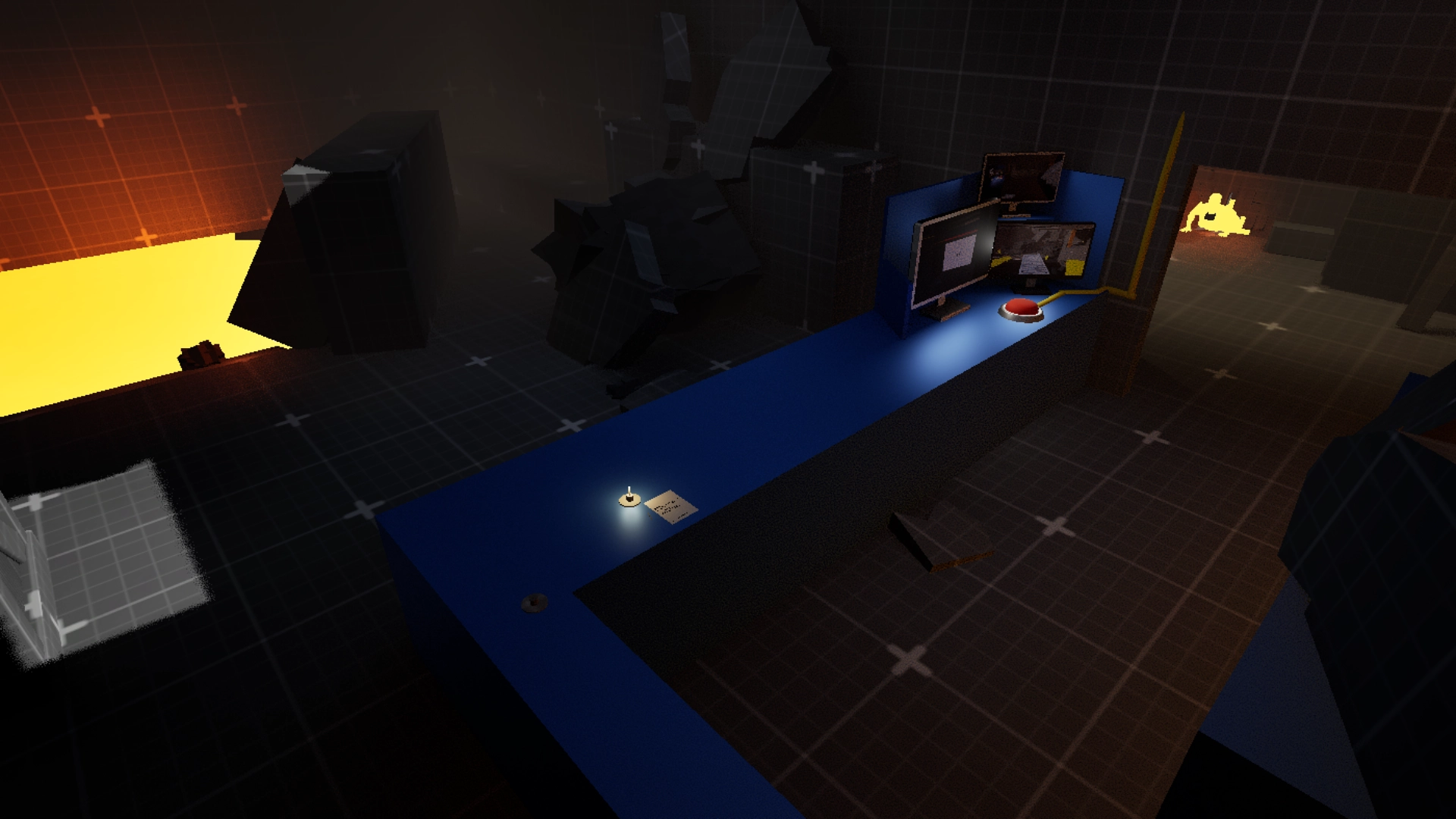
- The player now presses a button to unlock the door.
- A nearby note reinforces the event.
- A yellow wire functions as a bidirectional environmental cue.
Highlight 2
Results: I introduced an additional optional exploration space, giving players the choice to explore or move forward.
Feedback & Problem: Players felt there was wasted potential in an area that could be opened for exploration.
Solution:
- I built the interior of a recently abandoned house for players to explore.
- I rewarded exploration with a storytelling note inside the house, revealing an untold micro-story within the city’s narrative.
Blockout 7
Results: I created a polished final version that results in a more engaging and believable game world, while keeping fun gameplay as the main priority.
Goal: Deliver a complete and polished blockout with a balanced mix of exploration, combat, and traversal, tweaking all issues while prioritizing the most critical ones.
Solution:
- I added storytelling notes to make players feel that the place was once a living city with real people.
- I extended the map to better embrace different player behaviors, whether rushing through or taking time to explore.
- I added scripted events that further immerse the player.
This project was a huge step in developing my skills as a Level Designer, and the creation of the level as a whole was a valuable experience, combining new challenges such as collecting real player feedback, managing priorities, and building a level from start to finish using an industry-standard workflow.
If you’d like to chat about anything, including the project, feel free to reach out to me on LinkedIn.